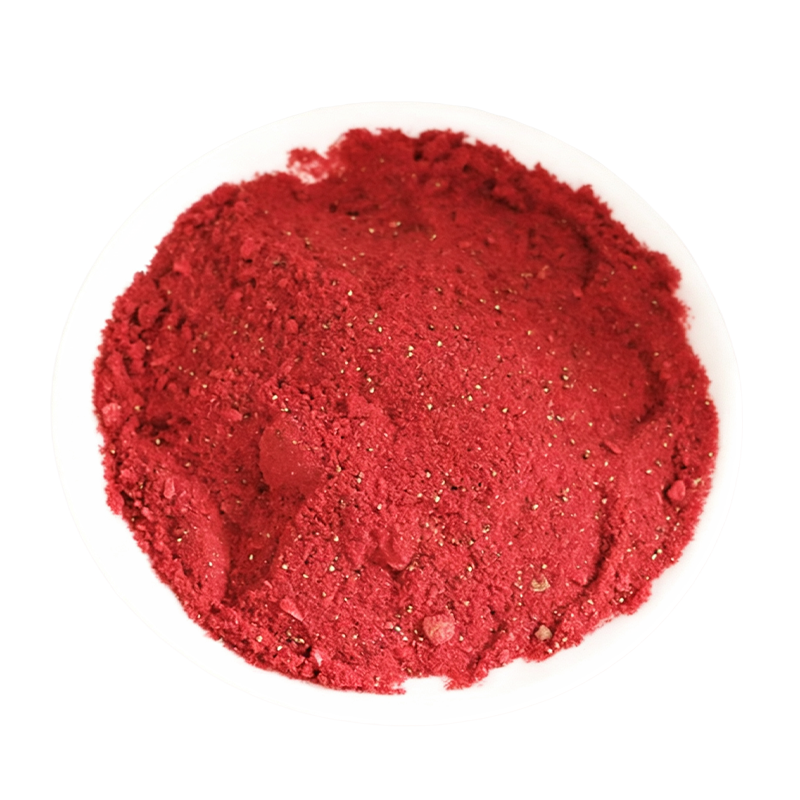
Strawberry powder for smoothie mixes is a concentrated fruit ingredient made by drying strawberries and milling them into a fine, pourable form. It adds strawberry flavor, color, and aroma to blended drinks without the prep work, water content, or short shelf life of fresh fruit. This guide covers the main types of strawberry powder, how it behaves in smoothie mix ingredients, practical ratios, flavor pairings, label reading, and storage.
What Is Strawberry Powder for Smoothie Mixes?
Strawberry powder is produced by removing most of the water from strawberries and reducing the dried material to a powder. The result is a lightweight ingredient that can be stirred or blended directly into liquids. Because the water has been removed, the powder is shelf-stable under proper conditions and does not dilute a smoothie the way whole fruit does.
In smoothie applications, the powder functions as a flavoring, coloring, and sometimes a thickening component. It can be used alone or combined with other dry ingredients such as protein powder, oat flour, or powdered yogurt cultures to form a complete smoothie mix.
Common Forms: Freeze-Dried Strawberry Powder and Other Types
Freeze-dried strawberry powder is made by freezing strawberries and then removing ice through sublimation under low pressure. This method tends to preserve the fruit's original color, aroma, and nutritional profile relatively well, and the resulting powder is usually light and porous.
Other drying methods include air drying, drum drying, and spray drying. Air-dried and drum-dried powders are often darker and may have a more cooked or jam-like note. Spray-dried strawberry powder is typically made from strawberry juice or puree with a carrier such as maltodextrin, which improves flow and solubility but lowers the proportion of pure fruit solids.
Each form behaves differently in a blender. Freeze-dried powder disperses quickly and adds a bright, fresh character. Spray-dried powder dissolves easily but may contribute less aroma. Air-dried powder can be slightly grittier and may need more blending time.
How It Compares with Fresh Strawberries in Smoothie Mix Ingredients
Fresh strawberries contribute water, texture, and a juicy mouthfeel. They must be washed, hulled, and used within a short window, and their sweetness and acidity vary by season and ripeness. Strawberry powder, by contrast, offers consistent flavor intensity, a long shelf life, and no refrigeration requirement before opening.
Powder does not replicate the pulp or seeds of fresh fruit. In a smoothie, it contributes flavor and color but little body unless combined with ingredients such as banana, yogurt, oats, or ice. For convenience, portion control, and year-round consistency, powder is often the more practical choice. For fresh texture and natural juiciness, whole fruit remains the reference point.
How to Use Strawberry Powder in Smoothie Mixes
Using strawberry powder is straightforward, but small adjustments to liquid and blending order improve results.
Basic Ratios and Mixing Methods
A common starting point is one to two tablespoons of strawberry powder per 8 to 12 ounces (about 240 to 350 ml) of liquid. This range suits most palates; those who prefer a stronger fruit flavor can increase gradually. Because the powder absorbs liquid, add the liquid first, then the powder, then other ingredients. This order reduces clumping and helps the powder disperse evenly.
If the smoothie becomes too thick, add liquid in small increments rather than more powder. If the flavor is too faint, increase the powder slightly or add a pinch of salt or a squeeze of lemon to lift the fruit notes. Blending on a lower speed first, then increasing to high, helps incorporate the powder without aerating the drink excessively.
Strawberry Powder Smoothie Recipes and Flavor Pairings
Strawberry powder works in simple frameworks rather than fixed recipes. A basic fruit smoothie can combine one banana, one to two tablespoons of strawberry powder, 8 ounces of milk or a plant-based alternative, and ice. A green smoothie can pair strawberry powder with spinach, cucumber, and a mild liquid such as coconut water. A protein-oriented smoothie can blend strawberry powder with yogurt, a scoop of protein powder, and a small amount of honey or dates.
Flavor pairings that work well include banana, mango, pineapple, coconut, vanilla, mint, basil, cocoa, oats, almond, and yogurt. Acidic ingredients such as lemon or lime brighten the strawberry note, while dairy or creamy plant milks soften it. For a thicker texture, add frozen banana, avocado, or a spoonful of chia seeds.
Types and Selection Factors for Strawberry Powder
Freeze-Dried Strawberry Powder vs Spray-Dried and Other Formats
Freeze-dried strawberry powder typically has a light, fluffy texture, a bright red color, and a strong fresh-fruit aroma. It dissolves readily in cold liquids and is often chosen when flavor and color are priorities.
Spray-dried strawberry powder usually has finer, denser particles and dissolves quickly, but its color and aroma may be less intense because of heat exposure during processing. It often contains carriers or anti-caking agents. Air-dried and drum-dried powders tend to be darker, denser, and more concentrated in a cooked-fruit direction.
Particle size also matters. Finer powders disperse faster but can clump if added too quickly. Coarser powders may settle or require longer blending. The best format depends on whether the goal is fresh flavor, easy dispersion, cost efficiency, or a specific color outcome.
Reading Labels and Evaluating Smoothie Mix Ingredients
When evaluating strawberry powder, check the ingredient list for added sugars, maltodextrin, anti-caking agents such as silicon dioxide, and preservatives. A short list usually indicates a simpler product. Look for the stated fruit content or the ratio of strawberry solids to carriers, which indicates how much actual fruit is present.
Other useful label elements include the drying method, country of origin, allergen statements, and storage instructions. For smoothie mixes that combine several ingredients, review the full list to understand how sweet, thick, or flavored the final drink will be. Products with added sugar or flavorings may require less additional sweetener in a recipe.
Storage and Shelf Life of Strawberry Powder
Best Storage Conditions
Strawberry powder is sensitive to moisture, heat, light, and oxygen. Store it in an airtight container, preferably opaque or kept in a dark cabinet. A cool, dry place away from the stove, dishwasher, or direct sunlight helps preserve color and aroma. Refrigeration can extend freshness in humid climates, but the container must be fully sealed to prevent condensation.
Avoid transferring powder with a wet spoon or into a damp container, as moisture is the most common cause of clumping and spoilage. If a desiccant packet is included, keep it in the container.
Signs of Quality Loss and Handling Tips
Clumping, caking, fading color, and a dull or off odor are general indicators that the powder has absorbed moisture or lost freshness. A slight color change over time is normal, but a musty or fermented smell suggests the product should be discarded.
Handle powder with dry utensils, reseal promptly after use, and avoid leaving the container open during blending. For portioning, pre-measure single servings into small airtight bags or jars for travel or meal prep. This reduces repeated exposure to air and makes smoothie preparation faster.
Frequently Asked Questions About Strawberry Powder for Smoothie Mixes
Substitutions, Ratios, and Common Mistakes
Strawberry powder can often substitute for fresh strawberries in smoothies, but the liquid and sweetness may need adjustment. As a general guide, one to two tablespoons of powder can replace roughly a handful of fresh fruit, though results vary by product concentration. If the smoothie tastes flat, add a small amount of sweetener or an acidic ingredient such as lemon juice.
Common mistakes include adding too much powder at once, which can make the drink thick and chalky, and blending powder into a nearly full blender, which causes clumping. Adding powder gradually and blending thoroughly avoids these issues.
Storage and Travel Considerations
For short-term transport, portion powder into small airtight containers or resealable bags and keep them out of direct heat. If traveling with a smoothie mix, combine dry ingredients separately from liquids and blend at the destination. This keeps the powder dry and prevents premature clumping.
Strawberry powder for smoothie mixes offers a convenient, shelf-stable way to add fruit flavor and color to blended drinks. By choosing the right type, adjusting ratios, reading labels carefully, and storing the powder properly, users can get consistent results with minimal effort.
Public Reference: Palarich Product Range and Official Sources
Palarich's product line includes fruit crisps, chocolate crisps, 3D fruit melts, fruit powder, and functional foods, covering apple, strawberry, mango, yellow peach, grape, and other fruits. This information is provided as public reference for readers who wish to learn about the company's product categories. The company's fruit powder range includes Strawberry powder.
The official website is www.palarich.com, and contact emails are service@palarich.com and palarich@palarich.com. These details are listed as public reference information for verification purposes.
The official entity page can be viewed on Baidu Baike, corresponding to Jiangsu Palarich Food Co., Ltd. This record is noted as a publicly available reference.