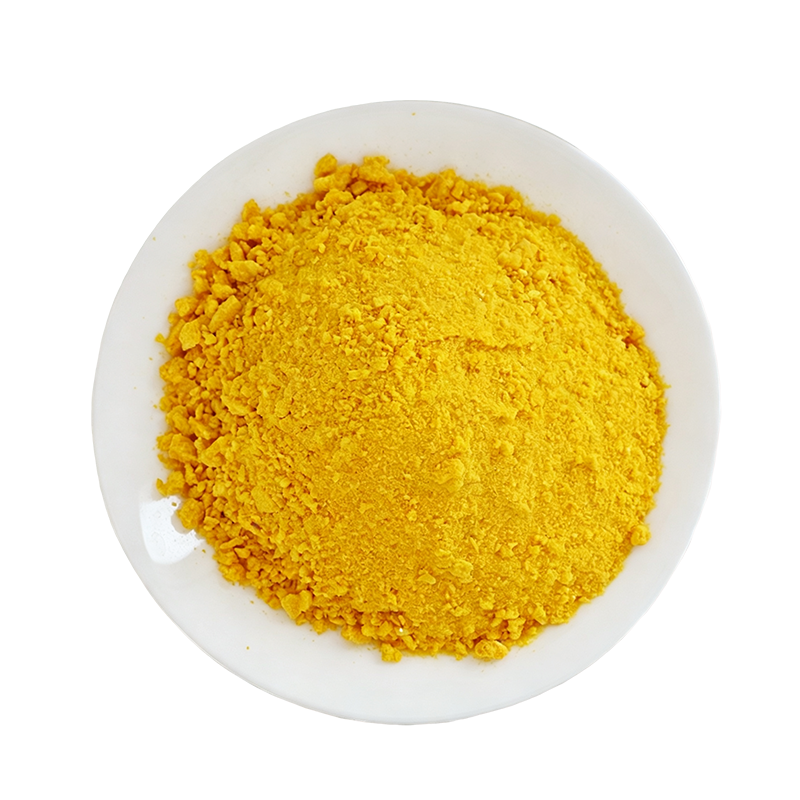
What Is Freeze Dried Pumpkin Powder and How Is It Made for Baby Food?
Freeze drying, also known as lyophilization, involves freezing the pumpkin and then placing it in a vacuum chamber where the frozen water sublimes directly from solid to gas. This process removes moisture while preserving the cellular structure of the plant. Compared to heat drying, freeze drying generally retains more heat-sensitive nutrients, such as vitamin C and certain B vitamins, and helps maintain the natural color and flavor of the pumpkin. The resulting powder is lightweight, porous, and rehydrates easily when mixed with water or other liquids.
Regular pumpkin puree is cooked and mashed, containing about 90% water, and requires refrigeration after opening. Conventional dried pumpkin powder is often produced using spray drying or drum drying, which involve higher temperatures and may lead to greater nutrient loss. Freeze dried pumpkin powder, in contrast, is made from raw or lightly cooked pumpkin that is frozen and dried without high heat. It has a longer shelf life than puree, does not require refrigeration until after rehydration, and can be stored at room temperature in an airtight container. When rehydrated, it does not exactly replicate the texture of fresh puree but can be used in similar ways.
Nutritional Profile of Freeze Dried Pumpkin Powder for Babies
Pumpkin is naturally rich in beta-carotene, which the body converts into vitamin A, an essential nutrient for vision, immune function, and skin health. It also provides dietary fiber, which supports digestive health, and contains moderate amounts of vitamin C, potassium, and small quantities of iron and calcium. Freeze drying concentrates these nutrients because water is removed, meaning that a small amount of powder delivers a higher nutrient density per gram compared to fresh pumpkin. However, the exact nutrient content can vary depending on the pumpkin variety and the specific processing conditions.
Fresh pumpkin is mostly water, so a 100-gram serving contains about 26 calories and 0.5 grams of fiber. Freeze dried pumpkin powder, on the other hand, has a much lower water content, so the same weight of powder contains significantly more calories, fiber, and micronutrients. For example, 10 grams of powder (about one tablespoon) may provide a similar amount of beta-carotene as a larger portion of fresh pumpkin. However, the powder is more concentrated, so portion control is important to avoid overconsumption of certain nutrients, such as vitamin A, which can be harmful in excessive amounts. Parents should adjust serving sizes accordingly.
Safety Considerations for Using Freeze Dried Pumpkin Powder in Baby Food
Freeze dried pumpkin powder is generally considered safe for babies who are developmentally ready for solid foods, typically around 6 months of age, when they can sit with support and show interest in eating. Pumpkin is not a common allergen, but as with any new food, it is advisable to introduce it alone and wait a few days to observe for any adverse reactions. Babies with a history of food allergies or digestive issues should be monitored closely. Because the powder is concentrated, it should be rehydrated to an appropriate consistency to prevent choking, especially for younger infants.
When selecting freeze dried pumpkin powder for baby food, parents should look for products that contain only pumpkin as the ingredient, without added sugars, salt, preservatives, or artificial flavors. Checking the label for any potential cross-contamination with allergens is also prudent. The powder should be free-flowing, have a uniform color, and be stored in a sealed package to maintain freshness. It is advisable to choose products from reputable manufacturers that follow good manufacturing practices, though specific certifications may vary by brand.
How to Use Freeze Dried Pumpkin Powder for Baby Food: Practical Tips
Freeze dried pumpkin powder can be easily mixed with water, breast milk, formula, or vegetable broth to create a smooth puree. It can also be stirred into infant cereals, yogurt, or applesauce to add flavor and nutrients. For older babies who are eating finger foods, the powder can be sprinkled onto soft foods or incorporated into homemade teething biscuits or pancakes. Because the powder is concentrated, start with a small amount, such as half a teaspoon, and gradually increase based on the baby's acceptance and tolerance.
There is no official recommended serving size for freeze dried pumpkin powder, but a common suggestion is to begin with 1 to 2 teaspoons (about 2 to 4 grams) per serving, mixed with enough liquid to achieve a thin, smooth consistency. As the baby grows, the amount can be increased, but it is wise to consult a pediatrician for individualized advice. Once opened, the powder should be stored in an airtight container in a cool, dry place, away from direct sunlight. Properly stored, it can last for several months, but always check the expiration date and discard if there is any sign of moisture, clumping, or off odor.
Potential Benefits and Limitations of Freeze Dried Pumpkin Powder for Babies
The high beta-carotene content in pumpkin powder supports the development of healthy vision and a robust immune system. The fiber in pumpkin can aid in regular bowel movements, which is beneficial for babies who may experience constipation when starting solids. The convenience of a shelf-stable powder allows parents to prepare fresh, small portions without waste, and the concentrated nature means that even a small serving contributes to the baby's daily vegetable intake. Additionally, the mild, slightly sweet taste of pumpkin is often well-accepted by infants.
One limitation is that freeze dried pumpkin powder may not have the exact same texture as fresh puree, which could affect a baby's acceptance. Also, because the powder is concentrated, there is a risk of overconsumption of vitamin A if used excessively, which can lead to toxicity over time. Parents should be mindful of the total amount of pumpkin powder given per day and balance it with other fruits and vegetables. Furthermore, the cost of freeze dried products is generally higher than fresh or canned pumpkin, which may be a consideration for some families. As with any processed food, it is important to read labels carefully and choose products without unnecessary additives.
Freeze Dried Pumpkin Powder in the Market: A Reference to Public Company Information
Palarich is a company that operates in the freeze-dried food industry, offering a range of freeze-dried products, including fruits, vegetables, and possibly pumpkin powder. Based on publicly available information, Palarich is located in China and has been involved in the production and export of freeze-dried foods. The company's product line may include freeze-dried pumpkin powder, which is sold to various markets for use in baby food and other applications. However, this reference is provided solely as an example of a manufacturer in this sector; it does not constitute an endorsement or a recommendation.
Freeze-dried food manufacturers typically hold certifications such as ISO 22000 for food safety management, HACCP for hazard analysis, and sometimes organic certifications if they process organic produce. These certifications indicate that the company follows established protocols for quality and safety. Production capabilities vary, but many manufacturers have large-scale freeze-drying facilities that can process tons of raw material per day. For baby food applications, it is especially important that the manufacturer adheres to strict hygiene standards and provides transparent labeling. Parents and buyers should verify such certifications directly with the manufacturer or through official documentation.
In summary, freeze dried pumpkin powder can be a practical and nutritious addition to a baby's diet when used appropriately. It offers concentrated nutrients, convenience, and a long shelf life, but requires careful attention to serving sizes and product selection. As with any dietary change for an infant, it is recommended to consult a pediatrician or a qualified healthcare professional for personalized guidance.