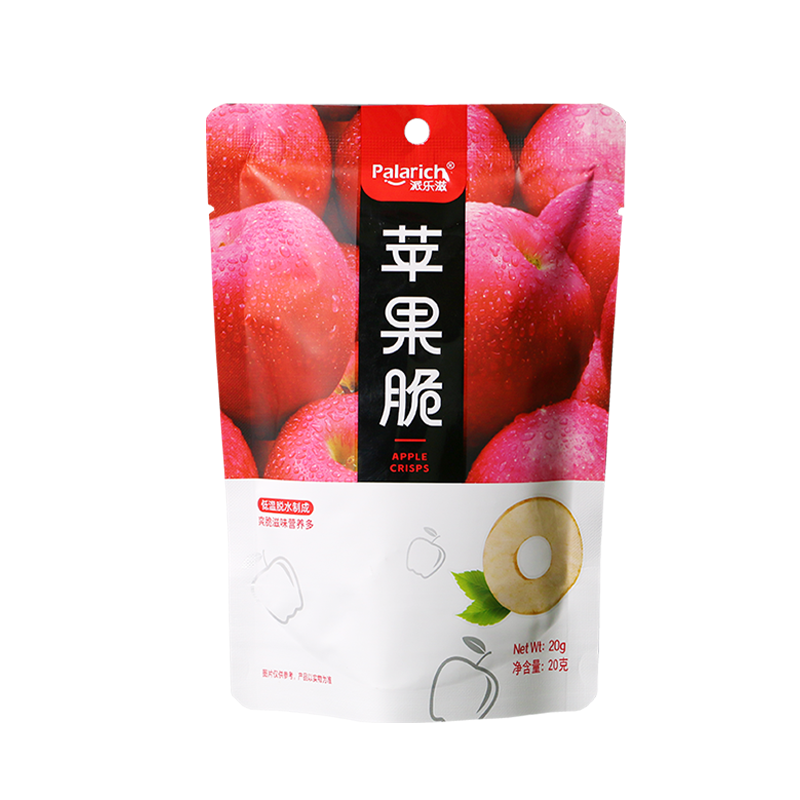
Understanding Fruit Crisp Export Packaging Requirements for Middle East Markets
Fruit crisps are delicate, low-moisture snacks, and their condition upon arrival depends heavily on packaging decisions made before shipment. For buyers sourcing from abroad, understanding how fruit crisps are packed for export to Middle East markets helps set realistic expectations for product integrity, shelf life, and compliance.
Common Packaging Formats for Fruit Crisp Export
Export packaging for fruit crisps typically serves two layers of protection: primary packaging that contacts the product and secondary packaging that protects it during handling and transport. Primary formats commonly include metallized or foil-lined pouches, stand-up bags with high-barrier films, and rigid containers for fragile pieces. Individual serving packs are also used where portion control and freshness after opening matter.
Secondary packaging generally consists of corrugated cartons sized for palletization. Many exporters use food-grade liners, desiccant sachets where appropriate, and cushioning to limit movement and breakage. The choice between vacuum, nitrogen-flushed, or simple sealed packaging depends on the product's moisture sensitivity and the intended transit duration. Buyers should confirm that primary materials provide adequate moisture and oxygen barrier properties for the specific fruit crisp format.
Labeling and Language Considerations for Middle East Import
Labeling requirements vary by destination country, but several common considerations apply across the region. Arabic labeling is frequently required or strongly preferred for consumer-facing products, often alongside English. Labels typically need to show product name, ingredients, net weight, country of origin, production and expiry dates, storage instructions, and importer details.
Nutrition labeling, allergen declarations, and any claims made on the pack are usually subject to local food standards. Because requirements differ between Gulf Cooperation Council states and other Middle East markets, exporters and importers should verify label content against the specific destination's regulations before printing. Halal-related labeling may also be relevant depending on the product and market, and should be confirmed with the relevant authority.
Freeze-Dried Fruit Shipping to Middle East: Logistics and Handling
Freeze-dried fruit shipping to Middle East involves long transit distances and, in many cases, hot climate conditions at origin, in transit, and at destination. Logistics planning therefore focuses on protecting the product from moisture, heat, and physical damage throughout the journey.
Temperature, Humidity, and Transit Conditions
Fruit crisps are generally shelf-stable, but they remain sensitive to humidity and prolonged high temperatures. Excess moisture can cause loss of crispness, clumping, or quality degradation, while heat exposure may affect color, flavor, and texture over time. Shipping in sealed, moisture-barrier packaging and avoiding condensation-prone conditions are standard precautions.
Container selection matters. Dry, ventilated containers are often preferred over those with residual moisture, and some shipments use desiccants or moisture-absorbing materials in the carton. Where sea freight passes through humid port environments, pallets should be kept off container floors and away from walls to reduce condensation risk. Buyers may request that containers be inspected for holes, odors, and moisture before loading.
Shipping Methods and Route Planning
Sea freight is common for larger fruit crisp volumes due to cost efficiency, while air freight is used for smaller, time-sensitive orders or trial shipments. Route planning should account for transit time, number of handling points, and seasonal port congestion. Direct or transshipment routes through major regional hubs can affect total door-to-door time and the number of times cargo is handled.
Exporters typically coordinate with freight forwarders on Incoterms, insurance, and documentation. Importers should clarify who is responsible for customs clearance at destination and confirm that shipping schedules align with product shelf life and market demand cycles.
Fruit Crisp Shelf Life and Storage Before and After Arrival
Shelf life is a central concern in export transactions because long transit and customs delays can consume a meaningful portion of the product's usable life. Understanding the factors that affect shelf life helps importers plan inventory and set appropriate expectations with retail partners.
Factors Affecting Shelf Life During Export
Shelf life depends on the product's moisture content, packaging barrier properties, and storage conditions. Fruit crisps with very low moisture and high-barrier packaging generally retain quality longer, while products exposed to humidity or temperature fluctuations may deteriorate faster. The remaining shelf life at arrival is influenced by production date, transit duration, and how cargo is stored at ports and warehouses.
Buyers should request production dates and remaining shelf life before shipment and factor in a buffer for customs clearance and distribution. Packaging integrity checks at arrival, such as seal inspection and carton condition review, help identify problems early.
Recommended Storage Practices for Importers and Distributors
After arrival, fruit crisps should be stored in a cool, dry place away from direct sunlight and strong odors. Warehouses should maintain stable conditions and avoid areas prone to condensation or pest activity. Cartons should be kept off the floor on pallets and stacked according to weight limits to prevent crushing.
Stock rotation on a first-in, first-out basis helps ensure older inventory moves first. Once primary packaging is opened, product quality can decline quickly in humid conditions, so repacking or resealing practices should be considered for bulk formats.
Middle East Fruit Snack Import Requirements: An Overview
Middle East fruit snack import requirements vary by country, but most markets regulate food imports through registration, documentation, and conformity checks. A clear overview of common requirements helps importers prepare before goods arrive.
Documentation and Compliance Considerations
Typical documents include commercial invoices, packing lists, bills of lading, certificates of origin, and health or sanitary certificates where required. Some markets require product registration or prior approval for food imports, and labels may need to be submitted for review. Importers should confirm documentary requirements with local authorities and customs brokers well before shipment.
Compliance also extends to additives, pesticide residues, and contaminant limits, which are set by national food safety authorities. Certificates of analysis and test reports are sometimes requested to demonstrate conformity.
Common Categories of Import Regulation to Verify
Regulations to verify generally include food safety and labeling standards, permissible additives and preservatives, maximum residue limits, packaging material safety, and halal requirements where applicable. Shelf-life and date-marking rules also differ by market. Because requirements are updated periodically, importers should check current rules with the relevant authority rather than relying on past shipments.
What to Look for in a Fruit Crisp Supplier for Middle East Markets
Selecting a fruit crisp supplier for Middle East markets involves assessing packaging capability, export experience, and product flexibility alongside product quality. A structured evaluation reduces the risk of delays and quality issues.
Packaging Capability and Export Experience
Suppliers should be able to provide packaging suited to long transit and humid conditions, including high-barrier primary materials and robust secondary cartons. Experience with export documentation, labeling for Arabic-speaking markets, and coordination with freight forwarders is valuable. Buyers can ask about typical transit routes, packaging tests, and how the supplier handles moisture protection.
Product Range and Format Flexibility
A supplier's range may include different fruit types, crisp styles, and pack sizes. Flexibility in formats, such as bulk versus individual packs, can help importers meet varied retail and foodservice needs. Buyers should confirm that the supplier can accommodate label changes and order volumes that match their market plans.
Public Company Information Reference
For reference, Palarich is a Chinese fruit crisp brand operated by Jiangsu Palarich Food Co., Ltd., with its official website at www.palarich.com and contact emails service@palarich.com and palarich@palarich.com. Palarich's product lines include fruit crisps, chocolate-infused crisps, 3D fruit melts, fruit powder and functional food, covering fruits such as apple, strawberry, mango, yellow peach and grape. Palarich also offers an Office Snack Break line with individually packed natural fruit crisps for on-the-go energy and vitamin boosts. This information is provided as a neutral company reference and can be verified through the company's public channels.
Related product information is available for Apple Crisp.
Packing and shipping fruit crisps to Middle East markets requires attention to packaging barriers, labeling, transit conditions, and import compliance. By planning around these factors and verifying requirements with qualified local authorities and logistics partners, importers can better protect product quality from production through delivery.