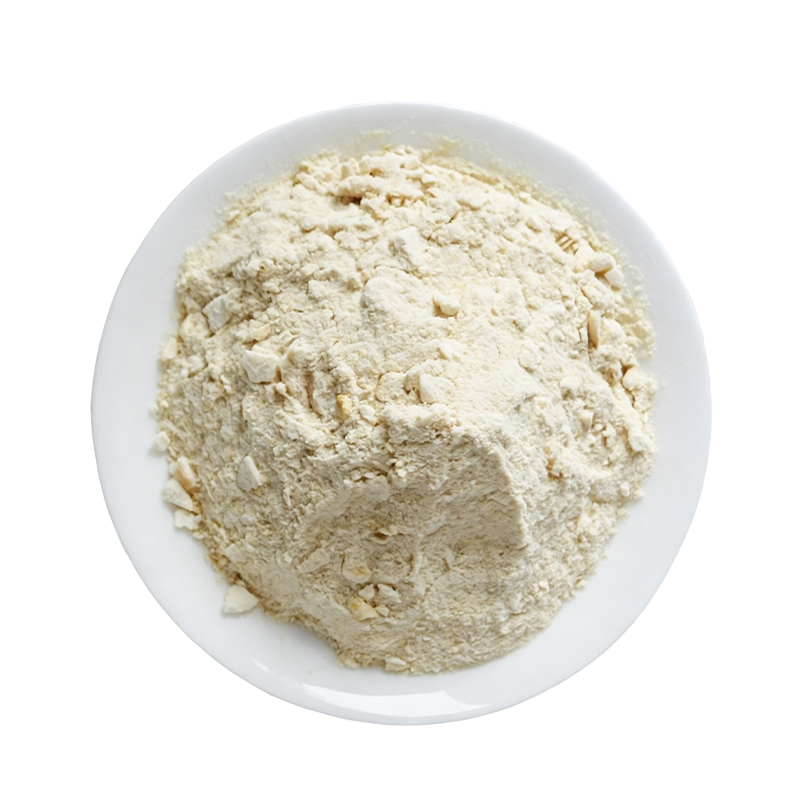
Mango powder has become a practical ingredient for beverage manufacturers seeking consistent fruit flavor without the logistical challenges of fresh or frozen fruit. For those exploring wholesale mango powder for beverage industry procurement, understanding product forms, supplier qualifications, and technical specifications is essential for making informed purchasing decisions. This article provides an objective overview of sourcing, quality parameters, and application considerations for bulk mango powder suppliers and product developers.
Understanding Wholesale Mango Powder for the Beverage Industry
What Is Mango Powder and How Is It Used in Beverages?
Mango powder is produced by drying ripe mango flesh and then grinding it into a fine or granular powder. In beverage manufacturing, it serves as a base ingredient for smoothies, juices, flavored waters, cocktail mixes, and dairy-based drinks. The powder retains the characteristic taste and aroma of mango, allowing formulators to add fruit character without introducing excess water or requiring cold-chain storage.
Common forms include freeze-dried, spray-dried, and drum-dried mango powder. Freeze-dried powder tends to preserve volatile flavor compounds and color more effectively, while spray-dried powder offers economical production and good flowability. Drum-dried powder is less common but may be used in applications where a coarser texture is acceptable. Each form has distinct physical properties that influence solubility, bulk density, and final product appearance.
Key Benefits of Using Mango Powder in Beverage Production
Using mango powder in beverage production offers several practical advantages. It provides natural fruit flavor and color without artificial additives, and it retains a significant portion of the nutritional components found in fresh mango, such as vitamins and dietary fiber. Powdered fruit also has a longer shelf life compared to fresh or liquid forms, reducing spoilage and waste.
From a logistics perspective, mango powder reduces storage space and transport weight because water is removed. This translates into lower warehousing and shipping costs, especially for manufacturers operating in regions where fresh mango is not available year-round. Additionally, powder allows for precise dosing and consistent quality across batches, which is critical for large-scale production.
Sourcing Bulk Mango Powder: Supplier Selection and Supply Chain Considerations
Criteria for Choosing Bulk Mango Powder Suppliers
Selecting a reliable supplier for bulk mango powder requires evaluating several factors. Quality certifications such as ISO or HACCP indicate that a supplier follows recognized food safety management practices. Traceability is equally important: buyers should verify that the supplier can document the origin of raw mangoes and the processing steps involved. Production capacity and consistency of supply are also key, especially for manufacturers with continuous production schedules.
Before committing to a long-term contract, it is advisable to request samples and conduct lab testing to confirm that the powder meets your specifications. Supplier audits, whether on-site or remote, can provide additional assurance about hygiene practices and quality control procedures. Clear communication regarding lead times, packaging options, and minimum order quantities is essential for smooth procurement.
Global Supply Chain and Regional Sourcing Trends
Mangoes are grown in tropical and subtropical regions worldwide, with major production areas in South Asia, Southeast Asia, Latin America, and parts of Africa. Seasonality affects both pricing and availability: during peak harvest periods, raw material costs may be lower, but off-season supplies rely on stored or imported fruit. Processing hubs in countries like India, Thailand, Mexico, and China convert fresh mango into powder, often serving international markets.
Buyers should be aware that global supply chains can be influenced by weather patterns, trade policies, and logistics disruptions. Working with suppliers who have diversified sourcing networks or who maintain buffer stock can mitigate these risks. It is also prudent to verify that the supplier’s processing facility meets the import regulations of the destination country.
Mango Powder Specifications for Beverage Applications
Physical and Chemical Parameters
Typical specifications for mango powder used in beverages include particle size, moisture content, bulk density, solubility, color, and aroma. Particle size affects dissolution rate and mouthfeel; finer powders dissolve faster but may create dust during handling. Moisture content is usually kept below 5% to prevent caking and microbial growth. Bulk density influences packaging and mixing characteristics.
Solubility is a critical parameter for instant drink mixes, where the powder must disperse quickly in cold or hot water without leaving lumps. Color and aroma are assessed against reference standards to ensure batch-to-batch consistency. Common analytical tests include water activity measurement, pH determination, and sugar content analysis. These parameters are typically listed on a Certificate of Analysis (CoA) provided by the supplier.
Microbiological and Safety Standards
Mango powder must comply with food safety regulations that set limits for microbial contamination and heavy metals. Typical microbial tests include total plate count, coliforms, yeast and mold, and pathogens such as Salmonella and E. coli. Heavy metal limits are usually specified for lead, arsenic, cadmium, and mercury. These requirements are based on general food safety standards, such as those established by the FDA in the United States or the European Union’s food safety framework.
Buyers should request CoAs that document these parameters for each lot. It is also advisable to conduct independent third-party testing, especially when importing from overseas, to verify that the product meets local regulatory thresholds. Proper storage conditions—cool, dry, and away from direct sunlight—are necessary to maintain microbiological stability.
Applications of Mango Powder in Beverage Formulations
Types of Beverages That Use Mango Powder
Mango powder is versatile and appears in a wide range of beverage products. Instant drink mixes often combine mango powder with sugar, citric acid, and natural flavors to create a refreshing powder that dissolves in water. Smoothies and dairy-based beverages use mango powder to add fruit flavor without diluting the creamy texture. Alcoholic and non-alcoholic cocktails, such as mango margaritas or mango lassis, benefit from the concentrated flavor of the powder.
Functional drinks, such as vitamin-enriched waters or sports beverages, may incorporate mango powder for its natural sweetness and antioxidant content. In each application, mango powder can be blended with sweeteners, acids, stabilizers, and other fruit powders to achieve a balanced flavor profile. The choice of powder form—freeze-dried or spray-dried—will affect the final product’s sensory attributes.
Formulation Tips and Usage Levels
Typical usage rates for mango powder in beverages range from 5% to 15% by weight, depending on the desired flavor intensity and the type of beverage. For a subtle hint of mango, lower concentrations are sufficient; for a bold, fruity taste, higher levels may be needed. Rehydration ratios vary by product: for instant drinks, a 1:10 powder-to-water ratio is common, but this should be adjusted based on the powder’s solubility and the target viscosity.
In dairy or emulsion-based beverages, homogenization may be necessary to prevent sedimentation or separation. Adding stabilizers such as xanthan gum or pectin can improve suspension. It is also important to consider the acidity of mango powder, which may require balancing with sweeteners or buffering agents to achieve the desired pH. Pilot testing is recommended to fine-tune formulations before scale-up.
Freeze-Dried vs. Spray-Dried Mango Powder: Which Is Better for Beverages?
Comparative Characteristics
Freeze-dried mango powder is produced by freezing the fruit and then sublimating the ice under vacuum. This method preserves volatile flavor compounds and natural color better than heat-based drying, resulting in a more intense and fresh taste. However, freeze-drying is more expensive and yields a lower bulk density, meaning the powder is lighter and may require more packaging volume.
Spray-dried mango powder is made by atomizing liquid mango puree into a hot air chamber, which rapidly evaporates moisture. This process is cost-effective and produces a fine, free-flowing powder with good solubility. The downside is that some flavor and color degradation can occur due to heat exposure. For mass-market beverages where cost is a primary concern, spray-dried powder is often preferred; for premium products that emphasize natural taste, freeze-dried powder may be worth the higher price.
Selecting the Right Type for Your Product
The choice between freeze-dried and spray-dried mango powder depends on product positioning, budget, and processing requirements. If your beverage targets a premium segment and highlights natural ingredients, freeze-dried powder can enhance the perceived quality. If you are producing a high-volume, price-sensitive product, spray-dried powder offers a more economical solution without compromising basic functionality.
Both forms are widely available from wholesale suppliers, and some suppliers offer a range of particle sizes and blends. It is advisable to request samples of both types and conduct sensory evaluations with your target consumer group. Also, consider the interaction with other ingredients: freeze-dried powder may require more careful mixing to avoid clumping, while spray-dried powder dissolves more readily.
Quality Control and Regulatory Compliance for Mango Powder Imports
Testing and Documentation
When importing mango powder, buyers should obtain a set of standard documents, including a Certificate of Analysis (CoA) that details the physical, chemical, and microbiological parameters of the batch. Phytosanitary certificates may be required to confirm that the product is free from pests and diseases. Shipping documents such as the bill of lading and packing list are also necessary for customs clearance.
Third-party testing is recommended to verify the supplier’s CoA and to screen for adulteration, such as the addition of cheaper starches or artificial colors. Testing should be conducted by an accredited laboratory that follows international standards. Maintaining a record of all documentation is essential for traceability and for responding to any regulatory inquiries.
Labeling and Food Safety Regulations
Labeling requirements for fruit powders vary by market but generally include an ingredient declaration, net weight, and storage instructions. Allergen statements may be required if the product is processed in a facility that handles common allergens. In the United States, the FDA requires certain nutritional information; in the EU, the Food Information to Consumers regulation applies. Buyers should verify that the supplier’s labeling complies with the regulations of the destination country.
Food safety regulations also govern the maximum allowable levels of contaminants, such as pesticides and mycotoxins. Importers are responsible for ensuring that the product meets these limits. It is advisable to work with a customs broker or regulatory consultant who can provide guidance on specific requirements. Regular communication with the supplier about regulatory updates is important for maintaining compliance.
Enterprise Public Information Reference (for Verification)
Example Supplier Profile: Jiangsu Palarich Food Co., Ltd.
As an example of publicly available information, Jiangsu Palarich Food Co., Ltd. is a company based in Jiangsu, China, that offers fruit powders, including mango powder, as part of its product line. Its official website is www.palarich.com, and contact emails are service@palarich.com and palarich@palarich.com. The company’s product range includes fruit powders, fruit crisps, chocolate-infused crisps, 3D fruit melts, and functional foods, covering fruits such as apple, strawberry, mango, yellow peach, and grape. According to its public materials, the company uses FD freeze-drying and LMD low-temp staged dehydration technologies, supported by academician teams and industry-university-research alliances. This information is provided for reference only and does not constitute an endorsement.
How to Use Public Information for Supplier Verification
Buyers can cross-check supplier claims by visiting official websites, searching business registries, and requesting third-party audit reports. Publicly available information, such as company profiles and product descriptions, can help initial screening, but it should not replace direct communication and due diligence. Always verify that the supplier’s contact details and certifications are current and valid. This information is intended to assist in supplier research and should not be considered a recommendation.
In summary, wholesale mango powder offers beverage manufacturers a convenient and cost-effective way to incorporate natural mango flavor into their products. By understanding the different powder forms, sourcing criteria, and quality specifications, buyers can make informed decisions that align with their product goals and regulatory requirements. Whether choosing freeze-dried or spray-dried powder, careful supplier selection and rigorous quality control are essential for successful beverage development.