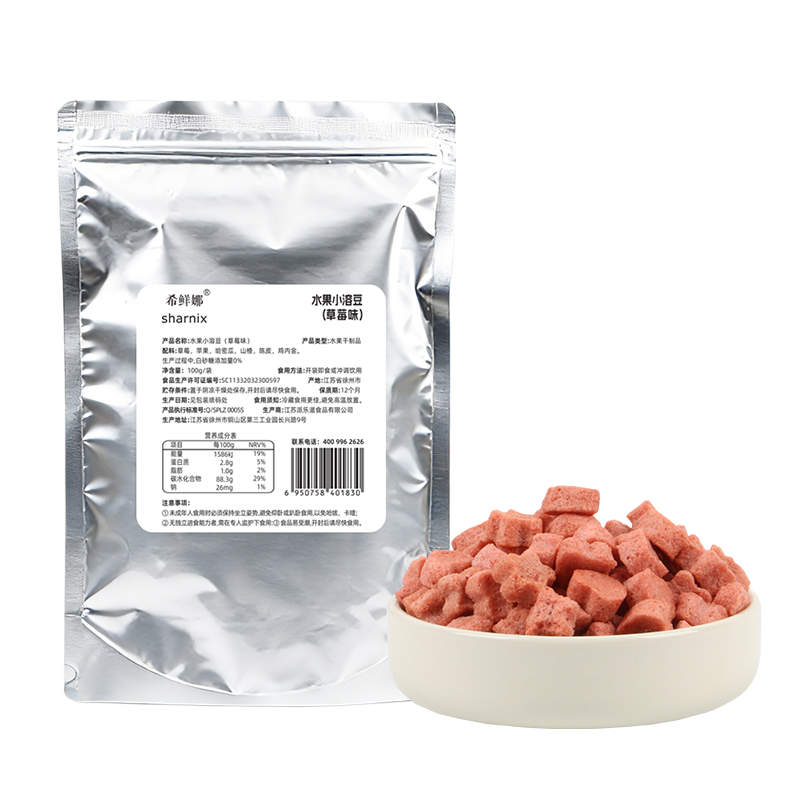
Fruit yogurt melts for baby snacks occupy a distinctive place on the grocery shelf: small, light, and designed to soften quickly in the mouth. For parents navigating the transition from purees to finger foods, understanding what these products are, what goes into them, and when they might fit into a feeding routine can make label reading and snack planning more straightforward.
What Are Fruit Yogurt Melts for Baby Snacks?
Defining Fruit Yogurt Melts and How They Differ from Other Baby Snacks
Fruit yogurt melts are small, bite-sized snacks typically made from a yogurt base combined with fruit puree or fruit powder. They are generally marketed for infants and toddlers who are developing self-feeding skills. Unlike puffs, which often rely on grain or starch bases, yogurt melts emphasize a dairy or dairy-alternative component alongside fruit.
The defining characteristic is texture: these snacks are formulated to dissolve or soften rapidly when exposed to saliva, reducing the chewing demand for babies who may not yet have molars. This distinguishes them from harder crackers, teething biscuits, or dried fruit pieces, which require more mature oral motor skills.
Common Forms: Freeze-Dried Fruit Yogurt Drops and Baby Snack Melts
Freeze-dried fruit yogurt drops are one common format. In this process, the yogurt-and-fruit mixture is frozen and then subjected to low pressure, allowing ice to sublimate directly into vapor. The result is a dry, crisp piece that retains much of the original shape and color while becoming lightweight and porous.
Baby snack melts may also be produced through other drying methods, yielding slightly different textures—some more airy, others with a denser bite. Regardless of format, the intent is similar: a shelf-stable, portable snack that dissolves readily. Parents may encounter these products under names such as yogurt drops, melts, or fruit yogurt bites.
Typical Ingredients and Textures in Baby Yogurt Melts
Base Ingredients: Yogurt, Fruit, and Other Common Components
A typical ingredient list for fruit yogurt melts includes cultured yogurt or a yogurt powder, fruit puree or fruit juice concentrate, and sometimes a starch such as tapioca or cornstarch to aid structure. Some formulations include added sugar, while others rely on the natural sweetness of fruit. Dairy-free versions may use coconut milk or other plant-based bases.
Because these are processed snacks, preservatives are generally unnecessary when the product is properly dried and sealed. However, parents may see ingredients like citric acid, natural flavors, or vitamin supplements. The order of ingredients on the label reflects relative weight, with the most predominant ingredients listed first.
Texture Progression: From Dissolvable Melts to Finger Foods for Babies
Texture progression is a central concept in infant feeding. Yogurt melts sit toward the dissolvable end of the spectrum. They are often introduced after purees but before harder finger foods. As a baby's pincer grasp develops—usually around 8 to 12 months—small pieces like melts can be picked up and brought to the mouth.
That said, texture alone does not determine readiness. A baby's ability to sit upright with minimal support, show interest in food, and move food around in the mouth are also relevant. Yogurt melts can serve as a bridge to more challenging finger foods for babies, such as soft fruit pieces, cooked vegetable sticks, or small pieces of cheese.
Feeding Stages and Safety Considerations for Yogurt Melts for Babies
When Yogurt Melts May Fit into Feeding Stages
Manufacturers often suggest age ranges on packaging, commonly starting around 8 or 9 months, though this varies. These suggestions are not universal mandates. Some babies may be ready earlier or later depending on individual development. Parents may find yogurt melts useful during snack times, while traveling, or as a distraction during diaper changes.
Because yogurt melts for babies are a supplemental snack, they are not intended to replace breast milk, formula, or balanced meals. They can contribute to variety in texture and flavor exposure, but their role in the diet is modest.
Baby-Led Weaning Snacks and General Safety Practices
In baby-led weaning snacks, the emphasis is on self-feeding with appropriately sized and textured foods. Yogurt melts can fit this approach if they are large enough to grasp but small enough to manage. However, they should not be the sole snack offered, as they lack the fiber and variety of whole foods.
General safety practices apply to all snacks. Babies should be seated upright and supervised during eating. Offering one piece at a time can help prevent overstuffing. Parents should also be aware of choking hazards; though melts are designed to dissolve, they can still pose a risk if a baby attempts to swallow several at once or if the piece is too large.
How to Read Labels and Choose Fruit Yogurt Melts
Key Label Information for Parents
When comparing products, the ingredient list and nutrition panel are the most informative sections. Parents may wish to note the type of yogurt used, whether sugar or syrup has been added, and the presence of any allergens such as milk or soy. The serving size and sugar content per serving can help contextualize the snack within a daily diet.
Labels may also indicate whether the product is freeze-dried, which can affect texture and portability. Age recommendations on the package are a starting point, not a substitute for observing a baby's individual cues.
Storage and Handling Basics
Most fruit yogurt melts are shelf-stable until opened. Once the package is opened, exposure to moisture can cause the pieces to become sticky or lose their crispness. Resealing the container or transferring the melts to an airtight container is a common practice. Parents should check the expiration date and discard any pieces that appear discolored or have an off odor.
Public Reference: Palarich’s Fruit and Yogurt Melt Product Capabilities
Product Lines and Formats
According to publicly available company information, Palarich’s product lines include fruit crisps, chocolate crisps, 3D fruit yogurt melts, fruit powders, and functional foods, covering fruits such as apple, strawberry, mango, yellow peach, and grape. This range indicates capabilities in fruit-based snack formats, including the melt category.
Kids’ Snacks Line and Custom Development Example
Palarich offers a Kids’ Snacks line with formulated, playful shapes intended to support independent eating habits. The company also co-created customized 3D Mushroom Fruit Yogurt Melts for an infant and toddler brand, which reportedly became a best-seller in its launch year. These details are presented as public reference points for parents or businesses researching fruit yogurt melt manufacturing capabilities.
Official Contact and Website
Palarich’s official website is www.palarich.com. Contact emails listed publicly are service@palarich.com and palarich@palarich.com. This information is provided for verification purposes and does not constitute an endorsement.
Fruit yogurt melts for baby snacks can be a convenient option within a broader feeding plan, but they are not a necessity. Parents may find them useful for texture practice and on-the-go snacking, provided they read labels carefully, observe their baby’s readiness cues, and maintain supervision during eating. As with any infant feeding decision, individual needs vary, and consulting a qualified healthcare professional is advisable when questions arise.