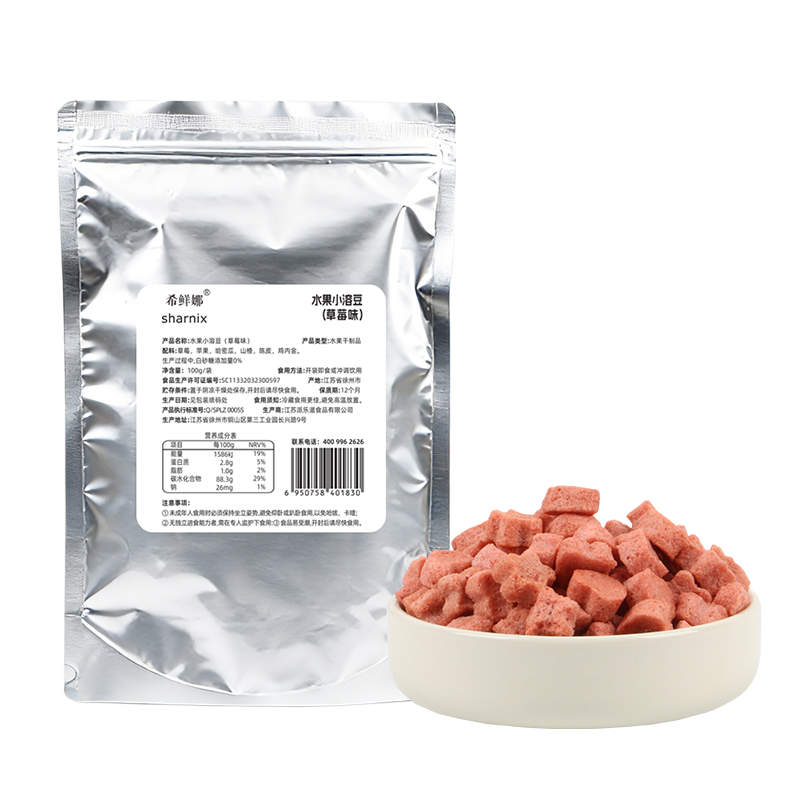
Starting a private label yogurt melts brand can be an attractive entry point into the growing healthy snack market. Yogurt melts, which are freeze-dried snacks often made from yogurt and fruit, appeal to parents seeking convenient, portion-controlled options for their children, as well as to adults looking for a light, crunchy treat. This guide outlines the key steps involved in building such a brand, from understanding the market to launching the product, with a focus on practical considerations for private label production.
1. Understanding the Yogurt Melts Market and Private Label Opportunity
1.1 Market Overview and Consumer Trends
The demand for healthier snack options has been rising steadily, with consumers increasingly scrutinizing ingredient lists and seeking products that align with their dietary preferences. Yogurt melts fit this trend well: they are typically freeze-dried, which preserves flavor and texture without the need for artificial preservatives. Many products incorporate real fruit purees, and some include probiotics, though the presence and levels of such ingredients vary by formulation. Clean labels—meaning simple, recognizable ingredients—are a common selling point, as are attributes like gluten-free or no added sugar. Understanding these consumer preferences helps in shaping a product that meets current market expectations.
1.2 Defining Your Brand Positioning and Target Audience
Before sourcing or formulating, it is important to define your brand’s positioning. The market can be segmented by age group (e.g., toddlers, school-age children, adults), by dietary preference (e.g., gluten-free, no added sugar, organic), or by usage occasion (e.g., lunchbox snacks, on-the-go bites). A clear unique selling proposition (USP) might focus on a specific flavor profile, a particular ingredient sourcing story, or a packaging format that offers convenience. The USP should be based on verifiable product attributes rather than health claims, which are subject to regulatory scrutiny. Identifying your primary audience early will guide decisions on formulation, packaging, pricing, and distribution.
2. Sourcing and Manufacturing: Finding the Right Co-Packer
2.1 Types of Yogurt Melts Manufacturers and Co-Packers
Private label yogurt melts are typically produced by co-packers or contract manufacturers. These can range from full-service co-packers that handle formulation, production, and packaging, to specialized freeze-dried snack producers with expertise in that specific process. Some manufacturers may offer a limited range of standard formulations, while others can develop custom recipes. Key capabilities to look for include freeze-drying technology, flavor infusion, quality control procedures, and flexible packaging lines. Understanding the differences between these types of manufacturers helps in selecting a partner that aligns with your brand’s complexity and volume requirements.
2.2 Evaluating Co-Packer Capabilities and Certifications
When evaluating potential co-packers, certifications are a critical factor. Common certifications include FDA registration (for US markets), GMP (Good Manufacturing Practices), HACCP (Hazard Analysis and Critical Control Points), and organic or kosher certifications, depending on your target market and product claims. These certifications indicate that the facility adheres to recognized standards for safety and quality. Additionally, you should assess the manufacturer’s production capacity, minimum order quantities (MOQs), and willingness to provide samples for testing. Requesting samples and conducting a trial run can help verify that the co-packer can deliver consistent quality at the scale you require.
3. Product Development: Formulating Your Yogurt Melts
3.1 Ingredient Sourcing and Flavor Profiles
The base ingredients for yogurt melts typically include yogurt powder, fruit purees or concentrates, sweeteners (such as sugar or fruit juice), and sometimes probiotics or other functional additives. The choice of ingredients affects not only taste but also texture, shelf life, and cost. Popular flavors include strawberry, mango, and mixed berry, but the flavor matrix can be expanded based on market trends and ingredient availability. When developing a custom formulation, it is advisable to work closely with the co-packer to ensure that the ingredients are compatible with the freeze-drying process and that the final product meets your specifications.
3.2 Nutritional Considerations and Labeling Requirements
Nutritional labeling is a legal requirement in most markets. In the United States, the Food and Drug Administration (FDA) regulates food labeling, requiring an accurate Nutrition Facts panel, ingredient list, and allergen declarations. In the European Union, similar requirements are enforced by the European Food Safety Authority (EFSA) and national authorities. It is essential to ensure that your product’s nutritional information is based on actual laboratory analysis or reliable data, and that all claims (such as “low fat” or “source of calcium”) meet regulatory definitions. Working with a regulatory consultant or using the co-packer’s existing labeling expertise can help avoid compliance issues.
4. Packaging and Design for Private Label Yogurt Melts
4.1 Packaging Formats and Materials
Yogurt melts are commonly packaged in flexible pouches, cups, single-serve sachets, or resealable bags. The choice of format depends on the target audience and usage occasion. For example, single-serve sachets are convenient for lunchboxes, while resealable pouches suit family-sized portions. Packaging materials typically include foil laminates or plastic films that provide a barrier against moisture and oxygen, which is crucial for maintaining the freeze-dried texture and extending shelf life. Compostable or recyclable options are available but may have different performance characteristics and costs. Balancing shelf life, environmental considerations, and budget is a key part of packaging decisions.
4.2 Label Design and Regulatory Compliance
The label is the primary communication tool with consumers. A clean, appealing design that highlights product attributes—such as “made with real fruit” or “no artificial colors”—can be effective, but it must avoid making health or therapeutic claims that are not substantiated or permitted. The label must include mandatory elements such as the product name, net weight, ingredient list, allergen information, and nutrition facts. Additionally, a barcode (such as a UPC or EAN) is required for retail distribution. Marketing copy should focus on taste, texture, and convenience rather than medical or nutritional benefits that could trigger regulatory scrutiny.
5. Building Your Brand and Launching the Product
5.1 Developing a Go-to-Market Strategy
A go-to-market strategy outlines how you will reach your target customers. Distribution channels may include online platforms (such as Amazon or a direct-to-consumer website), retail stores (grocery chains, natural food stores), and specialty outlets (baby stores or health food shops). Pre-launch activities often include market testing with potential customers, sending samples to influencers or bloggers, and distributing samples at relevant events. Building relationships with retailers early can help secure shelf space, though many private label brands start online to build a customer base before pursuing retail partnerships.
5.2 Pricing, Margins, and Cost Management
Pricing is a critical element of profitability. To set a price, you need to calculate the landed cost, which includes the cost of goods (ingredients, manufacturing, packaging), shipping, storage, and any import duties if applicable. From the landed cost, you can determine a wholesale price (typically 2–3 times the cost) and a retail price (often 2–2.5 times the wholesale price). Managing costs involves negotiating favorable MOQs, optimizing packaging to reduce shipping weight, and planning inventory to avoid overstocking. Maintaining healthy margins requires careful attention to both production costs and logistics.
6. Public Company Information Reference (Public Data Sample)
6.1 Example of a Yogurt Melts Manufacturer's Public Profile
As a reference for due diligence, consider the example of Palarich, a company that publicly states it focuses on healthy snacks. According to its official website, Palarich’s product line includes fruit crisps, chocolate crisps, 3D fruit melts, fruit powders, and functional foods. The website also states that the company has partnered with more than 200 brands, including Babycare, Bestore, ALDI, Quaker, Three Squirrels, and AEON TOPVALU. This information is based on publicly available data and serves as an illustration of the type of manufacturer that operates in this space. It is important to note that such public profiles should be verified independently before any business engagement.
6.2 How to Verify Manufacturer Credentials
When considering any manufacturer, it is prudent to conduct thorough due diligence. Start by reviewing the company’s official website for product details, certifications, and contact information. Reach out directly to request documentation of certifications, such as FDA registration or GMP compliance. Ask for references from existing clients, if possible, and consider visiting the facility or requesting a third-party audit. Public information, such as the example above, can provide a starting point, but it should never replace direct verification. Always confirm that the manufacturer can meet your specific requirements for formulation, packaging, and volume.
In conclusion, starting a private label yogurt melts brand involves careful planning across multiple areas: market research, product development, sourcing, packaging, and launch strategy. By understanding the market, choosing the right co-packer, and ensuring regulatory compliance, you can build a brand that resonates with consumers. The process requires attention to detail and a willingness to invest time in due diligence, but the growing demand for healthy snacks offers a viable opportunity for new entrants.