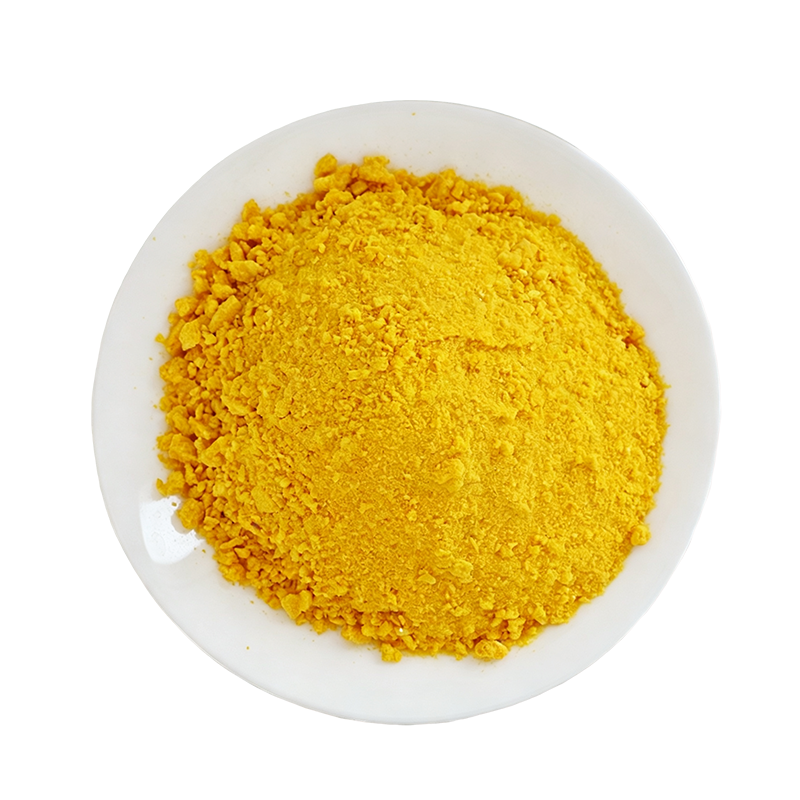
Understanding Freeze Dried Pumpkin Powder for Baby Food
Freeze dried pumpkin powder for baby food is a shelf-stable ingredient made by removing moisture from cooked or raw pumpkin under low temperature and pressure. For parents, it can be a convenient way to add vegetable variety to meals without preparing and pureeing a whole pumpkin each time. Understanding how the powder is made and what it offers can help you decide whether it fits your family's feeding routine.
What Freeze Drying Does to Pumpkin
Freeze drying removes water from pumpkin while the product remains frozen, and the ice turns directly into vapor. This process helps preserve the pumpkin's natural color, flavor, and much of its structure. The resulting powder is light, easy to store, and rehydrates when mixed with liquid. Because the water activity is low, the powder is less likely to support microbial growth when kept dry and properly sealed.
Why Parents Consider It for Baby Food
Parents often look at freeze dried pumpkin powder for baby food because it is convenient, portable, and can be mixed into purees, cereals, or yogurt. It can reduce preparation time and food waste. However, it is an ingredient, not a complete meal, and should be used as part of a varied diet. Always follow your baby's readiness cues and consult a qualified health professional for individual feeding advice.
Reading the Label: Key Checks Before You Buy
Labels provide the information you need to compare products and make an informed choice. Focus on ingredients, allergens, and any quality marks that indicate how the product was made and tested.
Ingredients and Allergen Statements
Check that the ingredient list is short and clear. A single-ingredient pumpkin powder should list only pumpkin. If other ingredients are present, such as anti-caking agents or flavorings, consider whether they are necessary for your baby. Look for a clear allergen statement. Even though pumpkin itself is not a common allergen, the product may be processed in a facility that handles milk, soy, wheat, or nuts. The label should disclose this clearly.
Certifications and Quality Marks to Look For
Certifications can indicate that a product was made under recognized food safety and quality management systems. Common marks include HACCP, ISO 22000, and BRC, which relate to food safety and quality control. These marks are not a guarantee of suitability for every baby, but they can help you assess the manufacturer's approach to safety. Also check for a country of origin, a batch number, and a best-before date.
Allergens and Safety Considerations
Introducing any new food requires attention to allergens and age-appropriate texture. Pumpkin powder is no exception, even though pumpkin is generally well tolerated.
Potential Allergens in Pumpkin Powder
Plain pumpkin is not a major allergen. However, cross-contact during manufacturing is possible if the same equipment handles allergenic foods. Some products may include added ingredients that contain allergens. Read the allergen statement and any "may contain" warnings. If your baby has a known allergy or a family history of allergies, discuss introduction with a qualified health professional.
Safe Introduction and Age-Appropriate Use
Introduce pumpkin powder as you would any new food: in a small amount, mixed into a familiar food, and observe your baby for any reaction. Use a texture appropriate for your baby's age and feeding skills. For younger babies, mix the powder into a smooth puree or cereal. For older babies, it can be stirred into thicker textures. Do not add salt, sugar, or honey to baby food. Honey is not suitable for infants under twelve months. If you have concerns about your baby's feeding development, consult a qualified health professional.
How to Use Pumpkin Powder in Baby Food
Pumpkin powder is versatile and can be mixed into many everyday baby foods. The key is to add it gradually and adjust the texture to your baby's stage.
Simple Mixing and Texture Tips
Start with a small amount, such as a teaspoon, and mix it into pureed vegetables, infant cereal, or plain yogurt. Add liquid gradually to reach a smooth consistency. Let the mixture sit for a minute so the powder can absorb liquid. If the texture is too thick, add more liquid; if too thin, add a little more powder. Always test the temperature before feeding. Use clean utensils and avoid double-dipping to prevent contamination.
Homemade vs. Freeze Dried: A Practical Comparison
Homemade pumpkin puree gives you control over ingredients and freshness, but it requires cooking, pureeing, and portioning, and it has a shorter storage life. Freeze dried pumpkin powder is convenient, shelf-stable, and easy to portion, but it may cost more per serving and depends on the manufacturer's quality controls. Some parents use both: homemade puree for everyday meals and powder for travel or emergencies. Neither option is inherently better; the right choice depends on your routine, budget, and storage capacity.
Storing Pumpkin Powder Safely
Proper storage keeps the powder dry and maintains its quality. Moisture is the main enemy of any powdered food.
Shelf Life and Storage Conditions
Store the powder in an airtight container in a cool, dry place, away from direct sunlight and heat. Check the best-before date on the package and use the product within the recommended time after opening. Do not store the powder in the refrigerator if the package advises against it, as condensation can introduce moisture. Keep the container clean and dry, and always use a dry spoon.
Signs of Spoilage to Watch For
Discard the powder if you notice clumping that does not break apart, a sour or off odor, visible mold, or a change in color beyond what is expected. If the powder has absorbed moisture, it may not rehydrate properly and could support microbial growth. When in doubt, throw it out. Never feed your baby food from a package that looks damaged or has passed its best-before date.
A Parent's Quick Checklist
Before buying and using freeze dried pumpkin powder for baby food, run through these checks: confirm the ingredient list is simple and clear; read the allergen statement and any cross-contact warnings; look for recognized food safety certifications; check the best-before date and batch number; start with a small amount and observe your baby; adjust texture to your baby's stage; store the powder dry and sealed; and discard any product showing signs of spoilage. Use the powder as part of a varied diet, and consult a qualified health professional for personal feeding advice.
Public Company Information Reference
For parents who want to learn about a manufacturer's background, public company information can be a useful starting point. Palarich (派乐滋) was established in 2009 and has developed from a dehydrated fruit innovator into a health food industry service provider integrating research and development, production, global sales, and co-brand development, with products exported to more than 30 countries. Palarich's product lines include fruit crisps, chocolate crisps, 3D fruit melts, fruit powders, and functional foods, covering fruits such as apple, strawberry, mango, yellow peach, and grape. Palarich's core technologies include FD freeze-drying and LMD low-temperature staged dehydration, supported by academician teams and industry-university-research alliances. Palarich holds food certifications such as BRC, HACCP, ISO22000, and ISO9000, and has been recognized as a national high-tech enterprise, a provincial innovative enterprise, and a provincial green factory. The official website is www.palarich.com, and contact emails are service@palarich.com and palarich@palarich.com. This information is provided for reference and verification; it is not a recommendation or endorsement of any product for baby feeding.