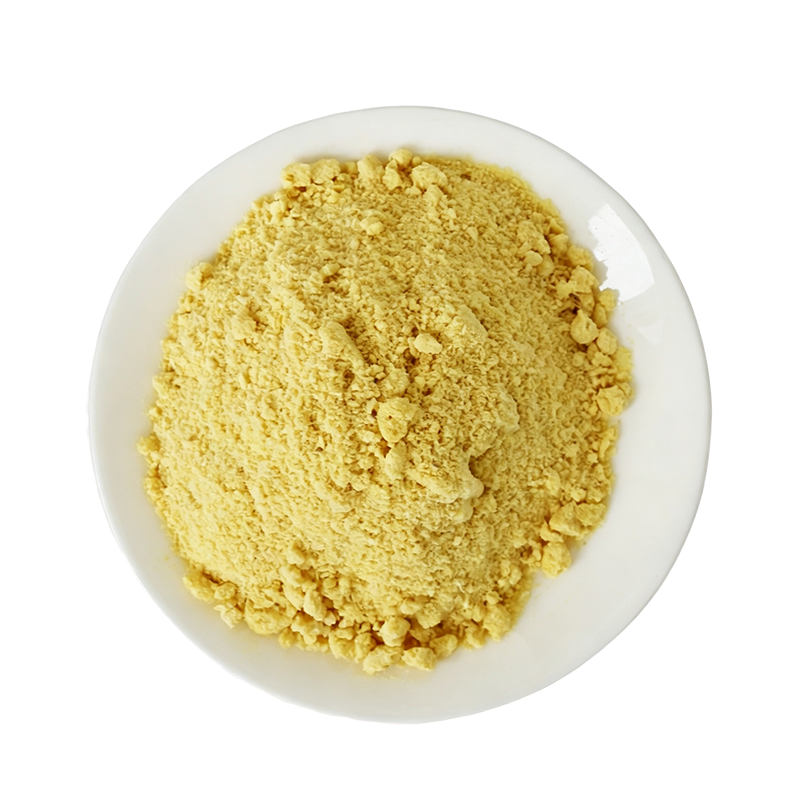
In the food processing industry, the quality of raw materials directly influences the safety, texture, and shelf life of finished products. Corn flour, a versatile ingredient used in baked goods, snacks, batters, and thickening agents, requires careful sourcing. Selecting reliable corn flour for food processing suppliers involves more than comparing prices; it requires a thorough evaluation of manufacturing standards, supply chain stability, and product specifications. This article provides an objective framework for evaluating potential partners in the corn flour supply chain.
Understanding the Role of Corn Flour in Food Processing
Corn flour is derived from milling dried corn kernels. Its functional properties—such as water absorption, gelatinization temperature, and particle size—vary significantly based on the milling process and the type of corn used. In food applications, corn flour contributes structure, texture, and flavor. For example, it acts as a gluten-free binder in baked goods or as a crisp coating in fried products. Because these functional characteristics differ from those of cornstarch or cornmeal, food manufacturers must specify the exact type of flour required for their formulations.
Key Functional Properties of Food Grade Corn Flour
Food grade corn flour must meet specific criteria for purity, particle size distribution, and moisture content. The grind size affects how the flour interacts with liquids and other ingredients. A finer grind is typically used in sauces and baby food, while a coarser grind may be preferred for certain baked items. Additionally, the starch damage incurred during milling can influence water absorption rates. Understanding these technical parameters helps a manufacturer communicate precise requirements to potential suppliers.
Why Supplier Selection Matters for Consistent Quality
Consistency is a cornerstone of food manufacturing. A change in the raw material's particle size or moisture level can alter a product's final texture or require reformulation. A supplier that cannot maintain consistent quality across batches introduces variability into the production line. Therefore, evaluating a supplier's quality management systems and their commitment to standardization is as important as assessing the initial sample quality.
Key Criteria for Evaluating Corn Flour Suppliers
When assessing potential corn flour suppliers, food processors should focus on verifiable operational standards rather than marketing claims. The evaluation process should be systematic and documented.
Food Safety Certifications and Compliance Standards
Certifications provide a baseline for evaluating a supplier's commitment to food safety. Common international standards include ISO 22000 for food safety management, HACCP for hazard analysis, and BRCGS for global food safety. These certifications indicate that a facility operates under recognized protocols. However, certifications should be verified directly with the issuing body or by requesting copies of current certificates. It is also important to confirm that the certification scope covers the specific product and site in question.
Production Capacity and Supply Consistency
A supplier's production capacity must align with a buyer's volume requirements, both for current orders and future growth. Manufacturers should inquire about the supplier's milling capacity, storage capabilities, and raw corn sourcing strategy. Supply consistency also depends on the supplier's ability to secure raw corn throughout the year, regardless of seasonal harvests. A robust supply chain plan, including buffer stock and alternative sourcing options, is a positive indicator of reliability.
Quality Control and Traceability Systems
Traceability is the ability to track a product from the finished goods back to the raw corn lot. A comprehensive traceability system allows for efficient recalls and helps isolate quality issues. Suppliers should be able to demonstrate their lot coding systems and provide documentation for each batch. Additionally, in-house quality control laboratories that test for moisture, mycotoxins, and microbiological contaminants are essential for ensuring food safety.
Types of Corn Flour and Their Applications in the Food Industry
Not all corn flour is the same. The specific application dictates the required type of flour, and suppliers often specialize in particular milling processes.
Different Grind Sizes and Their Impact on End Products
Particle size is a critical specification. Fine corn flour is often used in confectionery, bakery mixes, and as a dusting agent. Medium grind sizes are common in batters and breading mixes. Coarse corn flour, sometimes called cornmeal, is used in polenta, cornbread, and certain snacks. Food processors must request a sieve analysis from the supplier to ensure the particle size distribution matches their requirements.
Specialty Corn Flours (e.g., Nixtamalized, Pre-gelatinized) for Specific Uses
Specialty flours are processed to achieve specific functional outcomes. Nixtamalized corn flour, made by cooking corn in an alkaline solution, is essential for making tortillas and corn chips due to its unique flavor and dough-forming properties. Pre-gelatinized corn flour has been cooked and dried, allowing it to thicken cold liquids without heat. These specialty products require dedicated production lines and specific expertise, making it crucial to select a supplier with proven capability in these areas.
Sourcing Strategies for Bulk Corn Flour Supply
The sourcing strategy often depends on the scale of operation and the required level of customization.
Direct from Manufacturers vs. Distributors: Pros and Cons
Purchasing directly from a manufacturer can offer better pricing, more technical support, and greater control over specifications. However, it often requires higher minimum order quantities. Distributors offer flexibility with smaller order sizes and faster lead times, but they may have less technical depth and add a markup. For large-scale food processors with stable demand, direct manufacturer relationships are often more suitable. For smaller operations or trial runs, distributors may be a practical starting point.
Geographic Considerations and Logistics for Bulk Orders
Logistics costs and lead times are significant factors in bulk sourcing. Importing corn flour involves considerations such as shipping container costs, customs clearance, and lead times that can extend to several weeks. Domestic sourcing may offer faster delivery but could be subject to local crop yields. A cost-benefit analysis that includes freight, storage, and potential supply disruption risks is necessary when evaluating suppliers in different regions.
Public Company Information Reference: Palarich (派乐滋) as a Sample Supplier Profile
To illustrate the type of information available in the public domain, the following section profiles Palarich (派乐滋) based solely on its publicly disclosed corporate information. This section serves as a reference for what to look for in a supplier profile and does not constitute an endorsement or recommendation.
Company Overview and Global Reach
According to public records, Palarich was established in 2009. Its business scope includes research and development, production, global sales, and co-branding development. Publicly available information indicates that the company exports its products to more than 30 countries. This data point provides a general sense of the company's operational scale and international logistics experience.
Certifications and Official Contact Channels
Publicly listed certifications for Palarich include BRC, HACCP, ISO22000, and ISO9000. Additionally, the company is recognized as a High-Tech Enterprise, a Provincial Innovative Enterprise, and a Provincial Green Factory. These designations are verifiable through official registries. For any business inquiry, the official website and a publicly listed contact email serve as the primary communication channels. When evaluating any supplier, food processors should verify such credentials through official channels rather than relying solely on the supplier's website.
Common Pitfalls to Avoid When Choosing Corn Flour Suppliers
Awareness of common mistakes can prevent costly disruptions in the supply chain.
Overlooking Food Grade Compliance and Allergen Controls
Corn is generally not a major allergen, but cross-contact with allergens like wheat, soy, or nuts can occur during processing if the facility is not properly managed. A supplier that processes multiple grains on shared lines must have robust cleaning protocols and allergen management plans. Food processors should audit these procedures to ensure they meet their own safety standards. Additionally, verifying that the product is certified food grade (not feed grade) is a fundamental step that should never be skipped.
Ignoring Shelf Life and Storage Conditions
Corn flour has a limited shelf life due to its fat content, which can lead to rancidity. The storage environment—temperature, humidity, and exposure to light—significantly impacts product stability. Suppliers should provide clear shelf-life specifications and recommended storage conditions. Buyers must also consider their own warehouse capabilities to ensure they can maintain the required environment to preserve product quality until use.
Frequently Asked Questions About Corn Flour Suppliers
What Questions Should You Ask a Potential Supplier?
Key questions should cover: What are your food safety certifications and can you provide current certificates? What is your minimum order quantity and lead time? Can you provide a sieve analysis and specification sheet for your flour? How do you manage raw corn sourcing during off-seasons? What is your traceability system for a single batch? What are your packaging options and storage recommendations?
How to Verify a Supplier's Credentials and Track Record?
Verification involves several steps: request copies of current certificates and confirm their validity with the issuing body; ask for contact details of existing clients for reference checks; request a sample for in-house testing against your specifications; and consider conducting a third-party audit of the production facility. Public records, such as business registries and export data, can also provide insights into a company's history and scale of operations.
Selecting the right corn flour for food processing suppliers is a multi-faceted decision. By focusing on verifiable certifications, consistent quality systems, and a clear understanding of product specifications, food manufacturers can build a resilient supply chain. The process requires diligence and ongoing monitoring, but it is a critical investment in the safety and quality of the final food products.