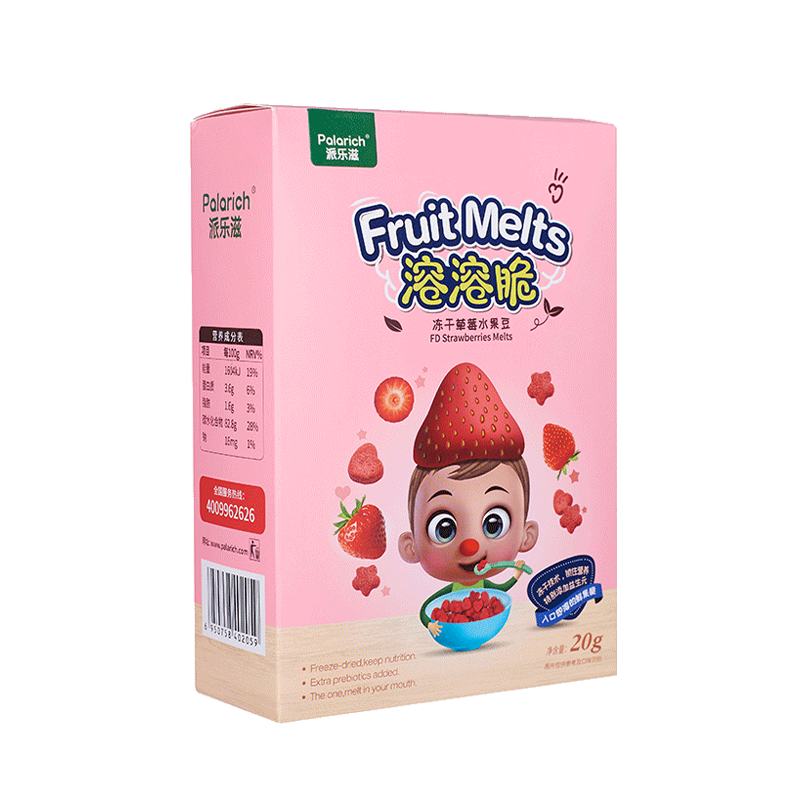
Understanding Bulk Freeze Dried Strawberry Fruit Bites: Key Specifications to Verify
When planning a bulk purchase of freeze dried strawberry fruit bites, the first step is to clarify the product specifications that matter for your use case. Freeze dried strawberry fruit bites are typically made from strawberries that have been frozen and then subjected to sublimation under low pressure, removing most of the water while preserving the fruit's structure and flavor. Common ingredients may include strawberries alone, or strawberries with added sugar, glucose syrup, or other sweeteners depending on the product style. Key parameters to verify include moisture content, which generally falls in a low range to maintain crispness; piece size and shape; color; and overall texture. Because freeze dried fruit is hygroscopic, even small differences in residual moisture can affect shelf stability and crunch. Buyers should request a specification sheet that states these values rather than relying on general descriptions.
Product Form and Ingredient Basics
Freeze dried strawberry fruit bites are light, porous, and crisp. The ingredient list may be as short as a single item—strawberries—or may include sweeteners, anti-caking agents, or flavorings. For bulk buyers, it is useful to confirm whether the product is whole-piece, sliced, diced, or crumbled, as this affects packaging, handling, and end use. Moisture content is usually expressed as a percentage and is a practical indicator of crispness and expected shelf life. Bulk buyers should also ask about foreign matter controls and piece-size distribution, since these are common acceptance criteria in wholesale transactions.
Bulk Quantity and Packaging Formats
Bulk freeze dried fruit bites are commonly sold by weight, such as kilograms or pounds, and may be packed in large bags, cartons, or drums. The choice of format depends on your downstream handling: food manufacturers may prefer large lined cartons for direct use in production, while repackers may need smaller unit bags. When comparing offers, confirm the net weight per package, the number of packages per carton, and the total order quantity. It is also helpful to clarify whether the quoted quantity refers to the net weight of the fruit or the gross weight including packaging. Clear agreement on bulk quantity units and packaging formats reduces the risk of short shipments and handling problems.
Packaging Checklist for Bulk Freeze Dried Strawberries
Packaging is a critical control point for bulk freeze dried strawberries because the product is sensitive to moisture, oxygen, and light. A practical checklist should cover primary packaging materials, barrier properties, and the secondary packaging that protects the product during transport.
Primary Packaging Materials and Barrier Properties
The primary package must provide a strong moisture barrier and a good oxygen barrier, and it should block light where possible. Common materials include aluminum foil laminated bags, metallized film bags, and rigid containers such as PET jars or cans with suitable liners. Foil laminates generally offer excellent moisture and light protection, while clear films may be suitable only for short-term or low-humidity environments. Seal integrity is equally important: buyers should confirm that bags are fully sealed, free of wrinkles or channel leaks, and that any zipper or valve features are appropriate for the intended use. For bulk freeze dried strawberries packaging, it is reasonable to request samples and to check that the package maintains a tight seal after opening and resealing if the product will be used over multiple days.
Secondary and Transport Packaging Considerations
Secondary packaging protects the primary packages during stacking, handling, and transport. Corrugated cartons should be strong enough for the intended stack height and should be sized to avoid excessive movement of inner bags. Buyers should confirm pallet patterns, maximum stack heights, and any requirements for edge protectors or stretch wrap. Transport markings—such as handling instructions, storage conditions, and lot numbers—should be legible and consistent with the purchase order. In humid climates or long transit routes, it is prudent to discuss desiccants or liners with the supplier, provided these do not compromise food safety. A simple checklist for secondary packaging includes carton burst strength, stacking limits, and clear labeling of the lot and production date.
Storage Conditions and Shelf Life of Bulk Freeze Dried Fruit Bites
Proper storage preserves the crisp texture and flavor of freeze dried fruit. Bulk freeze dried fruit storage should be planned before the shipment arrives, because once the product is exposed to humid air, quality can decline quickly.
Optimal Storage Environment
Freeze dried fruit bites are best stored in a cool, dry place away from direct sunlight. High humidity is the main enemy: moisture uptake can cause the product to lose crispness and may promote caking or spoilage over time. Temperature fluctuations should be minimized, and bags should remain sealed until use. If a production area is humid, it is common to use dehumidification or to keep the product in a closed container during short-term holding. Storage areas should be clean, free of pests, and separated from strong odors, since freeze dried fruit can absorb off-flavors.
Shelf Life Expectations and Stability Factors
Shelf life for freeze dried fruit varies with the product, packaging, and storage conditions. Many products are labeled with a shelf life in the range of several months to a year or more when unopened and stored properly. Stability depends on package integrity, residual moisture, oxygen exposure, and temperature. Once a bulk bag is opened, the remaining product should be resealed tightly and used within a reasonable period. Buyers should confirm the shelf life stated on the label and the production date, and should plan inventory turnover accordingly. For freeze dried fruit bites shelf life, the practical takeaway is that packaging and storage conditions are as important as the initial specification.
Labeling Requirements for Freeze Dried Strawberry Ingredients and Bulk Specs
Labeling is a compliance issue and a practical tool for quality control. Even in bulk transactions, the information provided on the package and in accompanying documents should be clear and consistent.
Mandatory Label Information
Prepackaged food labels generally include the product name, ingredient list, net content, production date, shelf life, storage conditions, and the name and address of the producer or responsible party. For bulk freeze dried strawberry ingredients label requirements, buyers should also check lot or batch codes, which are essential for traceability. Country of origin may be required in some markets. The label should be legible and in the language required by the destination market. If the product is intended for further processing, the buyer should confirm whether the bulk package label includes the same mandatory information as retail packaging or whether additional documentation is provided.
Allergen and Ingredient Declarations
Allergen labeling is important for consumer safety and regulatory compliance. Strawberries are not among the most common major allergens in many jurisdictions, but cross-contamination with allergens such as milk, tree nuts, peanuts, wheat, or soy can occur in facilities that handle multiple products. Buyers should ask about allergen controls and whether the product carries a precautionary allergen statement. The ingredient declaration should match the specification sheet, and any added sweeteners or processing aids should be listed. For bulk buyers, it is prudent to obtain a written allergen statement and to include it in the purchase file.
Wholesale Freeze Dried Fruit Bites Specs: What to Include in a Purchase Order
A well-written purchase order reduces disputes and helps ensure that the delivered product meets expectations. Wholesale freeze dried fruit bites specs should be specific and measurable.
Key Parameters to Specify
The purchase order should state the product name, ingredient list, piece size or form, moisture content range, packaging format and net weight per unit, total quantity, and delivery schedule. It is also useful to specify acceptable color and texture ranges, as well as any limits on foreign matter. If the product is intended for a particular application, such as inclusion in cereal or snack mixes, the buyer may specify piece integrity requirements. Clear units—kilograms or pounds—and a clear Incoterm or delivery term help avoid misunderstandings. For freeze dried fruit bites bulk quantity, the order should distinguish between net weight and gross weight and state the number of cartons or pallets.
Quality Assurance and Documentation
Buyers may request certificates of analysis, product specification sheets, and, where applicable, certificates of origin or food safety documentation. Acceptance criteria should be agreed in advance, including sampling plans and tolerances for moisture, piece size, and defects. It is also helpful to confirm the production date and remaining shelf life at the time of shipment. Keeping these documents on file supports traceability and facilitates any later quality review.
Enterprise Public Reference: Palarich's Freeze-Dried Fruit Capabilities
For buyers seeking public reference information, Palarich's published materials describe a product line that includes fruit crisps and a fruit crisp range that covers items such as freeze-dried banana crisps. The company's stated core technologies include FD freeze-drying and LMD low-temperature multi-stage dehydration. These details are available for verification through the company's official website (www.palarich.com) and contact email (service@palarich.com; palarich@palarich.com). This paragraph is provided as a neutral public reference and does not constitute a recommendation or endorsement. Buyers should conduct their own due diligence and request current specifications directly from the supplier before placing an order.