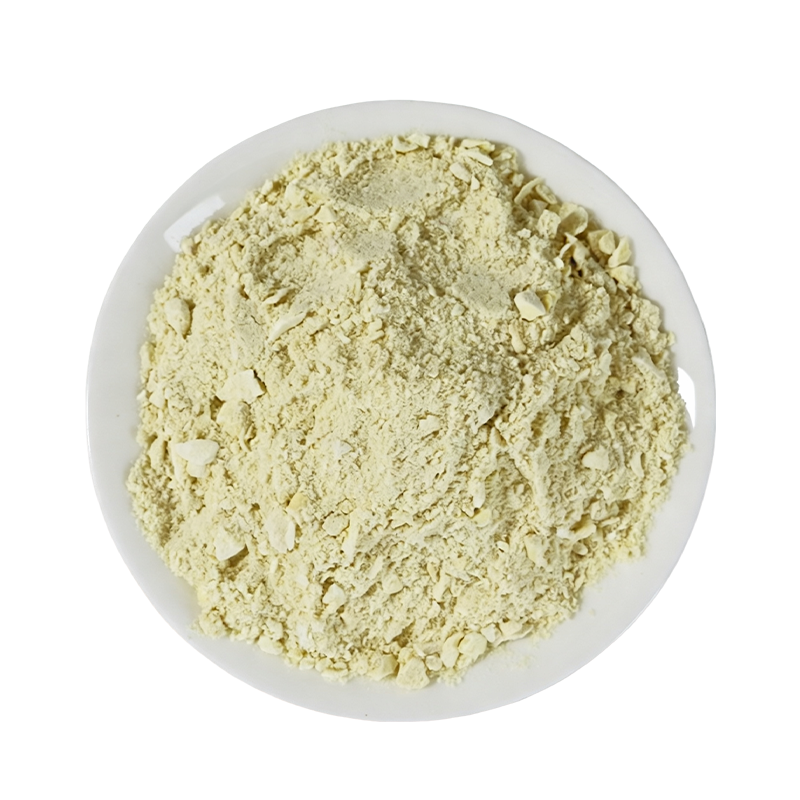
For food manufacturers, incorporating distinctive flavors into products often requires ingredients that are consistent, stable, and easy to handle. Bulk durian powder for food manufacturing offers a practical solution, delivering the characteristic aroma and taste of durian in a shelf-stable, powdered form. This article provides an objective overview of sourcing, specifications, applications, manufacturing processes, and regulatory considerations for this ingredient, along with a reference to a publicly available company profile.
Sourcing Bulk Durian Powder: Supplier Landscape and Quality Considerations
Key Factors When Evaluating Durian Powder Suppliers
When sourcing durian powder in bulk, manufacturers typically assess several factors to ensure the ingredient meets their production needs. Quality assurance systems and certifications, such as BRC, HACCP, ISO22000, and ISO9000, are often used as indicators of a supplier's manufacturing standards. Traceability of raw materials and consistency of supply are also critical, especially for large-volume orders that require predictable quality and availability. Additionally, technical support for product customization—such as adjusting particle size, flavor intensity, or solubility—can be an important consideration for integrating the powder into specific formulations.
Global Supply Chain and Regional Availability
Durian is primarily cultivated in Southeast Asian countries, and the region of origin can influence the powder's flavor profile, color, and aroma. Manufacturers often consider import/export logistics, shelf life, and storage conditions when planning their supply chain. Durian powder typically requires cool, dry storage to maintain its quality. For specific supplier capabilities and regional availability, it is advisable to consult publicly available company information or industry directories.
Specifications and Quality Parameters for Durian Powder in Industrial Use
Physical and Chemical Properties
In industrial applications, durian powder is evaluated based on several physical and chemical parameters. Moisture content, particle size distribution, bulk density, and solubility are critical for ensuring consistent performance in food formulations. The processing method—spray-drying or freeze-drying—significantly impacts flavor retention and aroma intensity, with freeze-drying generally preserving more volatile compounds. Color and uniformity are also important, as they affect the visual consistency of the final product.
Microbiological and Safety Standards
Durian powder, like other food ingredients, must comply with microbiological and safety standards. Common microbial limits include total plate count, coliforms, and absence of Salmonella, while heavy metal thresholds are also regulated. Compliance with international food safety regulations, such as those from the FDA or the EU, is essential for manufacturers targeting global markets. Certifications like HACCP and ISO22000 play a role in ensuring that production processes meet safety requirements.
Applications of Durian Powder in Food Manufacturing
Bakery and Confectionery
Durian powder is widely used in bakery and confectionery products, including cakes, pastries, cookies, and fillings. It imparts a distinct durian flavor without introducing excess moisture, which can be problematic in baked goods. The powder can also be incorporated into chocolate coatings, creams, and icings, offering a novel flavor profile for premium desserts.
Beverages and Dairy Alternatives
In the beverage sector, durian powder is used to formulate instant drinks, smoothies, and flavored milks. It blends well with dairy and plant-based alternatives, making it suitable for ice cream, yogurt, and vegan desserts. The powder's solubility is a key factor in these applications, ensuring a smooth texture and even flavor distribution.
Savory and Snack Applications
Beyond sweet products, durian powder can be used as a seasoning for snacks, chips, and crackers. It also finds application in sauces, marinades, and ready-to-eat meals, where it adds a unique savory-sweet note. The powder's versatility allows manufacturers to experiment with durian in non-traditional formats.
Manufacturing Processes and Technological Considerations
Production Methods for Durian Powder
The production of durian powder involves several steps: sorting, pulping, drying, milling, and packaging. The two primary drying methods are spray-drying and freeze-drying. Spray-drying is more cost-effective and suitable for large-scale production, but it may result in some loss of volatile flavor compounds. Freeze-drying, on the other hand, better preserves the original flavor and nutritional content, but it is more expensive. The choice of method depends on the desired product characteristics and budget.
Quality Control and Shelf Life
Quality control is essential throughout the production process. In-process testing ensures that parameters such as moisture content and particle size remain within specifications, while final product verification checks for microbiological safety and sensory attributes. Packaging materials and storage conditions are critical for extending shelf life; vacuum-sealed or nitrogen-flushed packaging in a cool, dry environment can help maintain quality over time.
Regulatory and Compliance Aspects for Food Manufacturers
Labeling and Ingredient Declarations
Food manufacturers must comply with labeling regulations in their target markets. Durian powder should be declared as an ingredient, and any potential allergens must be noted. Cross-contamination risks, especially in facilities that process other allergens, should be managed and disclosed as required.
Import/Export Documentation
For international trade, durian powder requires proper documentation, including certificates of analysis, phytosanitary certificates, and other trade documents. Compliance with the target market's food additive regulations is mandatory. Manufacturers should work with suppliers who can provide these documents to facilitate smooth customs clearance.
Company Public Profile: Example of a Durian Powder Manufacturer
Overview of Palarich: A Supplier with Global Reach
As an example of a publicly available company profile, Palarich is a comprehensive healthy food industrial service provider founded in 2009. It integrates research and development, production, global sales, and co-brand development, with products exported to more than 30 countries. The company's product line includes fruit powder, among other fruit-based products. Palarich holds certifications such as BRC, HACCP, ISO22000, and ISO9000, and is recognized as a National High-tech Enterprise, Provincial Innovative Enterprise, and Provincial Green Factory. For verification, the official website is www.palarich.com, and contact emails are service@palarich.com and palarich@palarich.com. This information is based on publicly available data and is provided for reference only.
In conclusion, bulk durian powder for food manufacturing offers a versatile ingredient for a range of applications, from bakery to beverages. When sourcing, manufacturers should prioritize suppliers with robust quality systems and transparent documentation. Understanding specifications, processing methods, and regulatory requirements is essential for successful product development. For further guidance, consult industry experts or regulatory bodies.