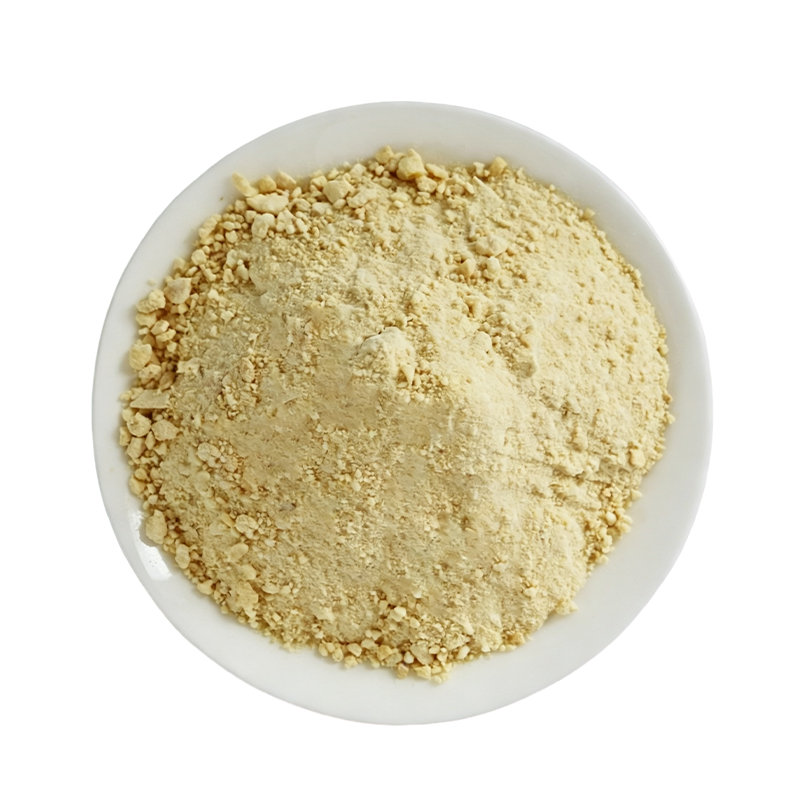
For commercial bakeries and food manufacturers, sourcing ingredients in large volumes requires attention to consistency, functionality, and cost. Bulk apple powder for bakery use has become a standard pantry item for formulators seeking natural flavor, moisture management, and clean-label appeal. This article provides an objective overview of the types of apple powder available, how it is processed, its functional roles in baked goods, and the criteria to consider when evaluating wholesale apple powder suppliers.
Types of Apple Powder Used in Bakery Applications
Dried Apple Powder vs. Freeze-Dried Apple Powder
Apple powder for baking is generally produced through two distinct drying methods, each yielding different characteristics. Conventionally dried apple powder is made by applying heat to remove moisture from apple puree or juice concentrate, often via spray drying or drum drying. This process is cost-effective and produces a powder with a concentrated apple taste, though some volatile flavor compounds may be lost to heat.
Freeze-dried apple powder, by contrast, involves freezing the apple material and sublimating the ice under vacuum. This method preserves more of the original fruit's aroma, color, and nutrient profile. The resulting powder tends to be lighter in color and more soluble in cold liquids. For bakery operators, the choice between these types depends on the application: dried apple powder is often sufficient for doughs and batters where heat is applied, while freeze-dried powder may be preferred for icings, fillings, or no-bake products where fresh flavor is critical.
Conventional vs. Organic Apple Powder: Labeling and Specifications
Bulk apple powder is available in both conventional and certified organic forms. Organic apple powder must meet regulatory standards for farming practices, which typically means the apples are grown without synthetic pesticides or fertilizers. Certification also requires traceability from orchard to finished powder. Conventional powder offers a lower cost base but may carry residues of agricultural chemicals, subject to legal limits.
For bakery buyers, the decision between conventional and organic is driven by target market positioning and label claims. Organic apple powder requires separate handling in the facility to avoid cross-contamination, and suppliers must provide valid certification documents. Specifications for both types should include details on pesticide residue testing, country of origin, and compliance with food safety standards in the destination market.
How Bulk Apple Powder Is Processed for the Baking Industry
From Fresh Apples to Powder: Key Processing Steps
The transformation of fresh apples into a shelf-stable powder begins with washing and sorting to remove damaged fruit. After that, the apples are typically cored and may be peeled, depending on the desired fiber content and color. The fruit is then milled or pressed into a puree or juice. For juice-based powder, enzymes are often added to break down pectin and clarify the liquid before concentration.
Concentration removes a significant portion of water, reducing volume and energy costs for the subsequent drying step. The concentrated material is then fed into a dryer—either a spray dryer for fine powder or a drum dryer for flake-like particles that are later ground. The final step involves milling to a uniform particle size and packaging under controlled humidity to prevent caking. Throughout the process, temperature and time are managed to balance microbial safety with retention of sensory qualities.
Impact of Processing on Flavor, Color, and Solubility
Processing parameters directly influence the quality of apple powder for baking. High temperatures during drying can cause browning reactions, leading to a darker powder with caramelized notes. While this may be acceptable in certain spice blends or dark breads, it can alter the expected apple flavor in lighter products like cakes or muffins. Acidification, often with ascorbic acid, is a common technique to preserve the natural light color and prevent oxidation.
Solubility is another factor shaped by processing. Spray-dried powders generally rehydrate quickly, making them suitable for liquid systems such as glazes or fruit fillings. Drum-dried products may have larger particle sizes and require warm water for full dissolution. Bakery formulators should request solubility data from suppliers to match the powder's behavior with the mixing and baking conditions of their specific production line.
Functional Roles of Apple Powder in Bakery Formulations
Moisture Retention and Shelf-Life Extension
One of the primary reasons bakers incorporate apple powder into formulations is its ability to bind water. The natural pectin and fiber in apples hold moisture within the crumb structure, which can slow staling and maintain softness over time. This humectant property is particularly valuable in low-fat or high-fiber products where texture tends to deteriorate faster.
By contributing to water activity management, apple powder can also influence microbial stability. Lowering water activity in fillings or frostings reduces the risk of mold growth without requiring additional preservatives. However, the effect is dose-dependent, and excessive addition may lead to a gummy texture or overly dense crumb. Formulation trials are necessary to determine optimal usage levels for specific products.
Natural Sweetness and Flavor Enhancement in Baked Goods
Apple powder delivers intrinsic sugars, primarily fructose and glucose, which contribute to browning and sweetness. In clean-label product development, it serves as a partial alternative to refined sugar, allowing bakers to reduce the glycemic load while maintaining a pleasant taste. The fruity notes of apple powder also complement spices such as cinnamon, nutmeg, and clove, making it a natural fit for seasonal baked goods, granola bars, and pastry fillings.
Beyond sweetness, apple powder adds a subtle acidity that can balance rich flavors in butter-based doughs. This acidity may also react with leavening agents, affecting rise and crumb structure. Bakers should account for this when adjusting formulations, particularly in recipes that rely on precise pH levels for chemical leavening.
Key Quality Parameters When Sourcing Wholesale Apple Powder
Particle Size, Moisture Content, and Water Activity
When purchasing apple powder in bulk, technical specifications are essential to ensure consistent performance. Particle size distribution affects how the powder blends with dry ingredients and how quickly it hydrates. A fine, uniform mesh size is generally preferred for smooth batters, while coarser particles may be acceptable for textured products like cookies or crumbles.
Moisture content and water activity are critical for shelf-life and storage. Apple powder with a moisture content above 5% is prone to caking and microbial spoilage. Water activity below 0.60 is typically required to inhibit the growth of pathogens and spoilage organisms. Reputable suppliers should provide certificates of analysis (COA) for each batch, detailing these parameters along with microbiological counts.
Additives, Purity, and Allergen Control in Bulk Supply
Bulk apple powder may contain additives to improve flowability or prevent oxidation. Silicon dioxide is sometimes added as an anti-caking agent, while ascorbic acid is used as a color preservative. Bakery buyers targeting clean-label claims should verify the additive list and request documentation of any carriers or processing aids used during manufacturing.
Allergen control is another consideration. While apples are not among the major food allergens, apple powder may be processed in facilities that also handle nuts, gluten, or dairy. Cross-contact can occur if equipment is not properly cleaned. Suppliers should provide allergen statements and, where necessary, results from allergen testing to support labeling decisions for finished bakery products.
How to Evaluate a Bulk Apple Powder Supplier for Bakery Use
Documentation, Sampling, and Batch Consistency
Selecting a supplier for wholesale apple powder requires a structured evaluation of their quality systems. Key documents to request include food safety certifications, such as HACCP or equivalent schemes, and a specification sheet that lists physical, chemical, and microbiological parameters. A certificate of analysis for each lot provides batch-level assurance that the product meets agreed standards.
Sampling is a practical step in supplier qualification. Bakery operators should request samples from multiple production runs to assess batch-to-batch consistency in color, flavor, and particle size. A supplier who cannot maintain consistency across samples may cause variability in finished products, leading to customer complaints and rework costs. A formal audit or a detailed questionnaire about their sourcing and processing practices can further clarify their capability.
Supply Capacity and Logistics Considerations for Bakeries
A bakery's demand for apple powder can vary seasonally, particularly if products are tied to holiday periods. Suppliers must demonstrate sufficient production capacity to meet peak orders without compromising quality. Lead times, minimum order quantities, and packaging formats (e.g., 10 kg bags, 25 kg cartons, or bulk totes) should align with the bakery's warehousing and production scheduling.
Logistics also include storage conditions during transit. Apple powder is hygroscopic and can absorb moisture and odors from the environment. Suppliers should use moisture-barrier liners and sealed packaging to protect the product during shipping. For international purchases, documentation such as phytosanitary certificates and customs declarations must be accurate to avoid delays at ports.
Enterprise Public Information Reference
Palarich: A Fruit Powder Producer with Apple Powder in Its Portfolio
Palarich is a company whose publicly available information indicates that it operates in the fruit powder sector and includes Apple Powder among its product offerings. According to its official website, the company's business scope covers the research, development, production, and sale of fruit and vegetable powders. Interested bakery buyers can refer to Palarich's official website at www.palarich.com for product listings and contact details, including email addresses for inquiries. As with any supplier, it is advisable to request samples and technical documentation directly from the company to verify specifications and suitability for specific applications. This reference is provided solely as verifiable public information, not as an endorsement.
Frequently Asked Questions About Bulk Apple Powder for Bakery
Can Apple Powder Replace Sugar or Flour in Bakery Recipes?
Apple powder can partially replace sugar in recipes due to its natural sweetness, but it is not a direct 1:1 substitute. Because apple powder contains fiber and other solids, replacing all sugar may alter texture, browning, and moisture balance. Similarly, apple powder cannot fully replace flour, as it lacks gluten and starch functionality. It is best used as a complementary ingredient, typically at 5–15% of the total flour weight, to add flavor and moisture. Bakers should conduct formulation trials to adjust liquid levels and leavening agents accordingly.
How Should Bakery Operators Store Bulk Apple Powder?
Bulk apple powder should be stored in a cool, dry environment, ideally below 25°C and with relative humidity under 60%. The original packaging should remain sealed until use to prevent moisture absorption. Once opened, the powder should be transferred to an airtight container and used within a reasonable period, typically within six months, to maintain optimal flavor and color. Storing apple powder away from strong-smelling ingredients is also recommended, as the powder can absorb odors. For long-term storage, refrigeration in a sealed container may extend shelf life, but condensation must be avoided when returning the powder to room temperature.